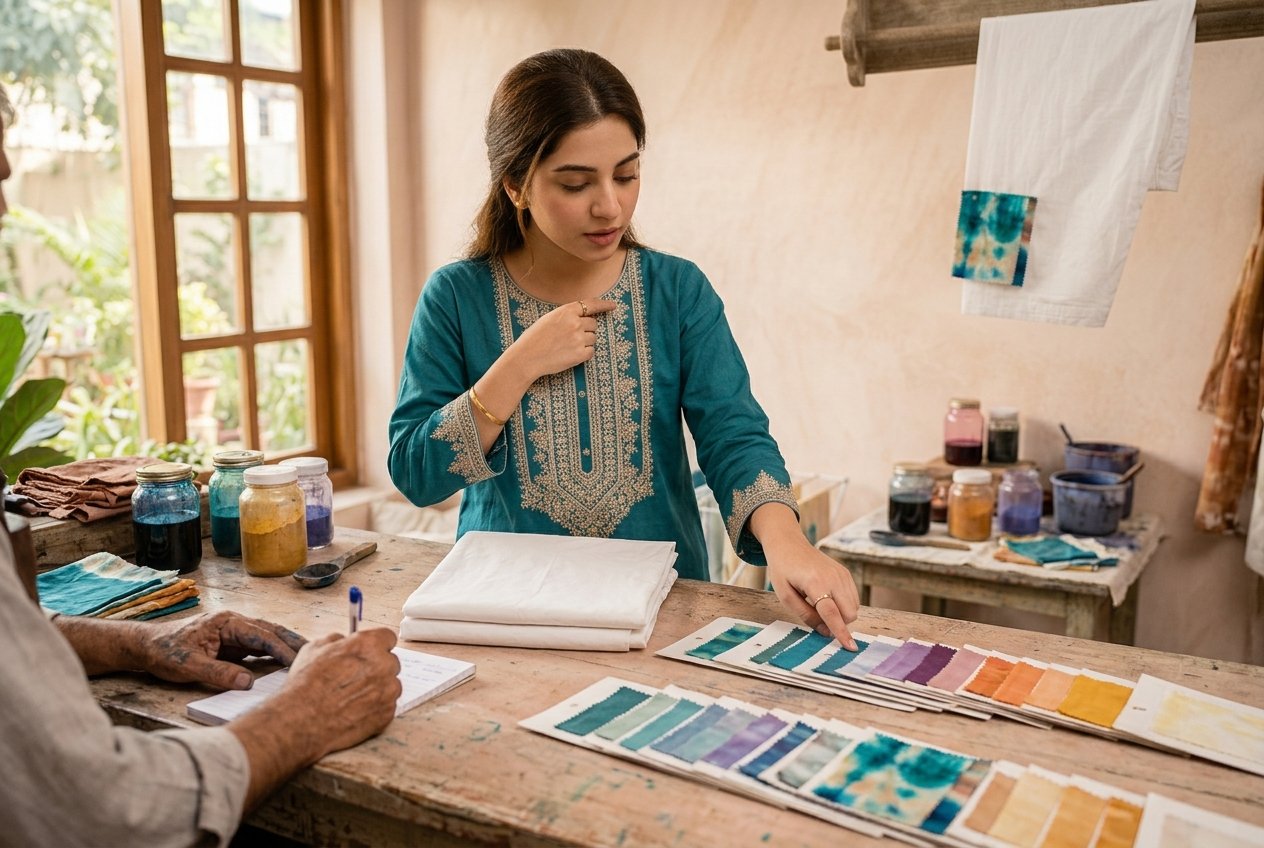
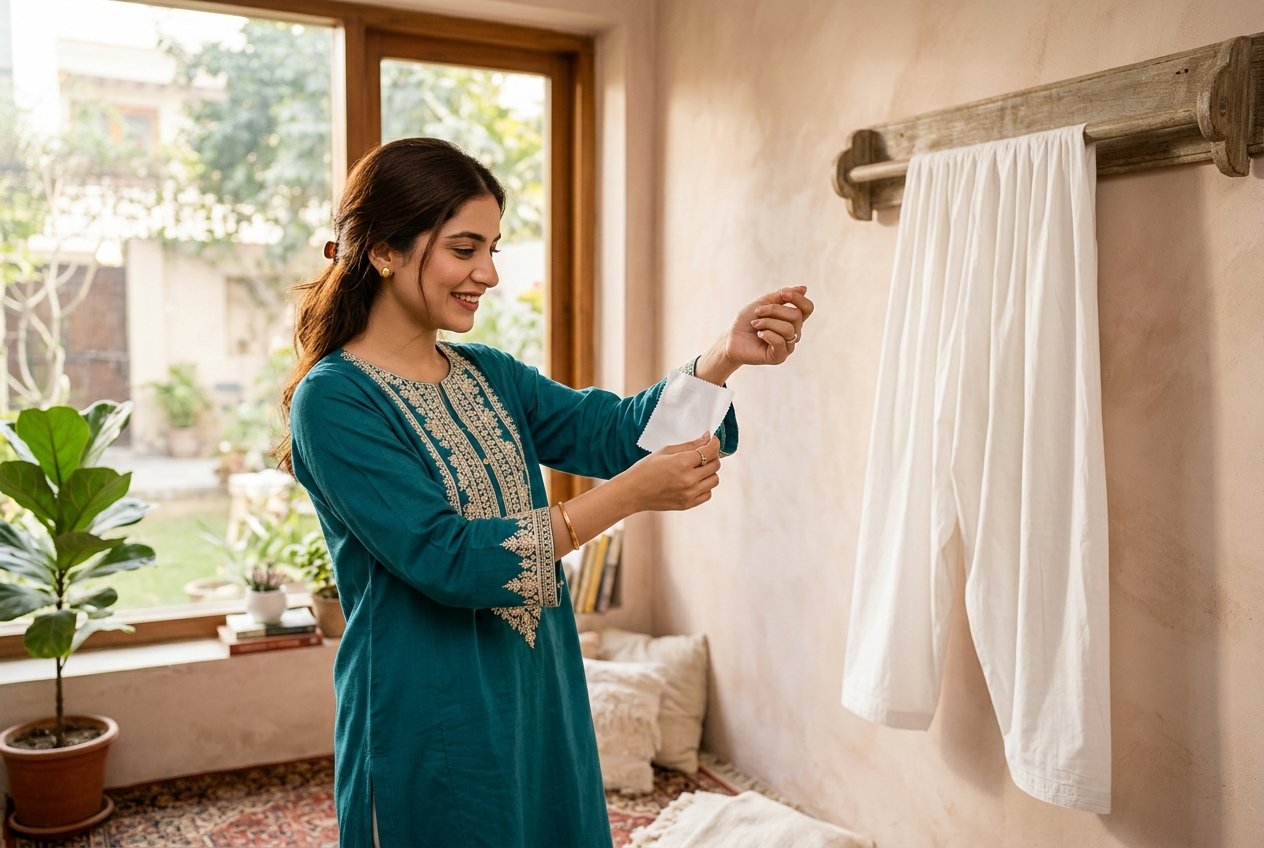
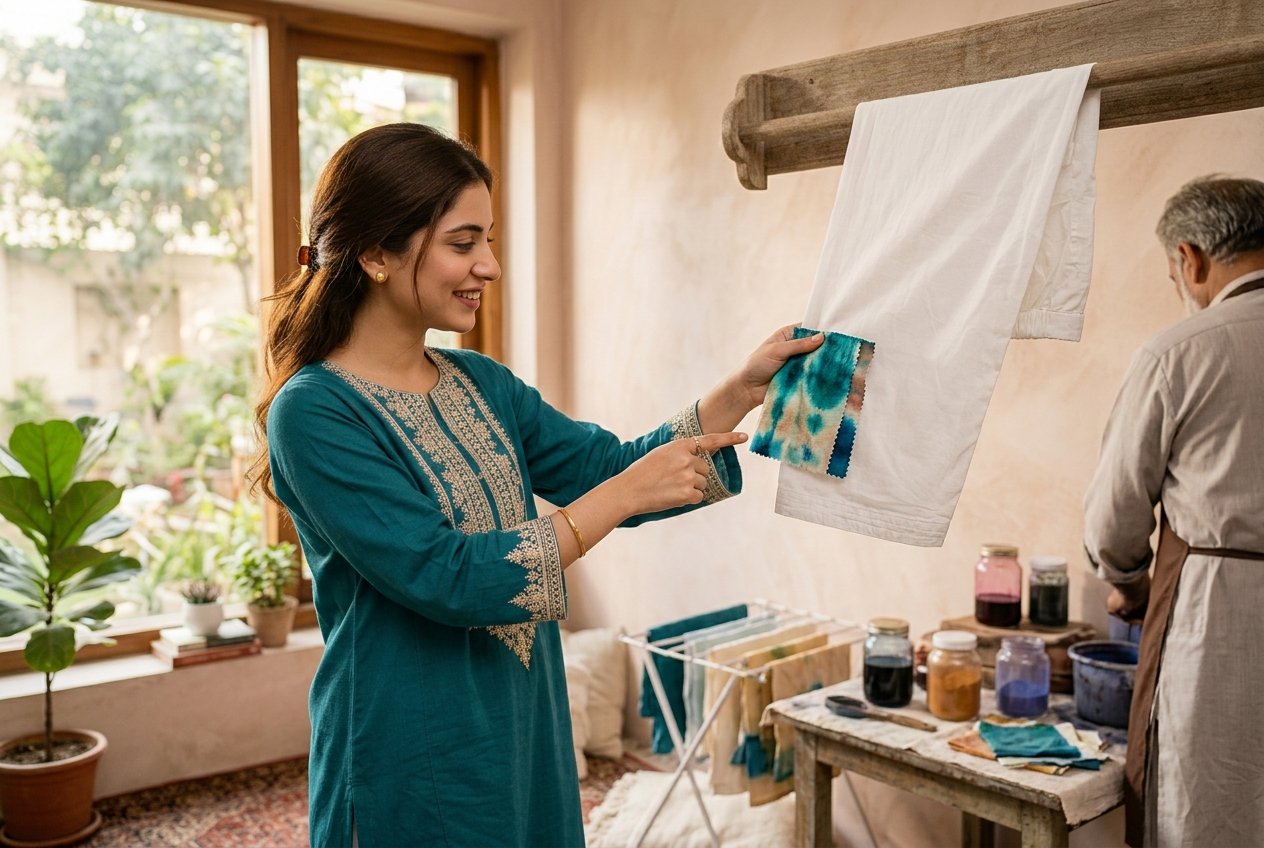
Woman checking shalwar dyeing cost at a dyer's counter with a white shalwar and teal kurta

How Much Does It Cost to Dye a Shalwar in Pakistan?

Shalwar dyeing cost in Pakistan usually comes to around Rs. 300. However, the rate varies by dyer and by style. A wide piece such as a gharara or sharara may be priced differently from a slim one. Ask for the price and the pickup date before you hand the shalwar over.

You found a kurta you love, and you want the shalwar to match it. Dyeing makes that possible, but you should know the price before you start. This guide explains what shapes the cost, what to ask your dyer and how to avoid paying twice.

Your shirt. Your shade.

Why do dyers quote different prices? Industry cost sheets, such as Textile Trainer’s dyeing cost guide, add up dyes, chemicals, labour and overheads. A neighbourhood dyer faces the same costs on a smaller scale. That is why one shop may quote Rs. 300 and another may quote more.

What Is the Shalwar Dyeing Cost in Pakistan?

Dyeing usually costs around Rs. 300. Treat that as a reference point, not a fixed price. Dyers set their own rates, so we cannot publish one price list for everyone.

The bottoms dyeing cost also depends on what you hand over. A slim pair of culottes and a wide farshi shalwar are not the same job. For that reason, always ask for a quote for your exact style.

What Changes the Shalwar Dyeing Cost?

Four things usually shape the quote. Ask about each one before you agree.

  1. The dyer’s own rate

Dyers price differently. If you can, compare two quotes before you decide.

  1. The style and the amount of fabric

A wide gharara or sharara holds more fabric than slim culottes. Some dyers may price wide pieces differently, so ask for a quote for your style.

  1. The shade

Deep or bright shades may be priced differently from light ones. Ask whether your shade changes the quote.

  1. The timing

A rush job or a busy festive week may change the price or the pickup date. Ask for both.

How Much Will a Dye-to-Match Shalwar Cost in Total?

Your trouser dyeing cost is only one part of the total. Add the price of the white shalwar to the dyeing charge. At the prices listed on our site today, the sums look like this. Check each product page for the current price.

White Farshi Shalwar: Rs. 1,500 + around Rs. 300 for dyeing = around Rs. 1,800
White Culottes Pants: Rs. 1,500 + around Rs. 300 for dyeing = around Rs. 1,800
White Gharara Pants: Rs. 2,500 + around Rs. 300 for dyeing = around Rs. 2,800
White Sharara Pants: Rs. 2,500 + around Rs. 300 for dyeing = around Rs. 2,800

These totals use the Rs. 300 reference. Wide pieces may land higher if your dyer prices them differently. That is why your dyer’s quote matters more than any average.

What Should You Ask Your Dyer About the Price?

A clear question at the counter saves an argument at pickup. Use this checklist.

Before you hand it over

What will this cost for this style?
Does the quote include a swatch test?
Will my shade change the price?
When will it be ready?
Can you confirm the price and the date on WhatsApp?

At pickup

Check the dry shade in daylight, beside your shirt, before you pay.
Ask how to wash it for the first few times.

How Do You Avoid Paying for Dyeing Twice?

The cheapest dye job is the one you only do once. Re-dyeing doubles your shalwar dyeing cost, and these mistakes lead to it.

Skipping the swatch test. A small test shows the real shade before the whole piece goes in. Our guide How to Dye a White Shalwar to Match Your Shirt shows the steps.
Judging the colour while wet. Fabric looks darker when wet and dries lighter, as Rit’s immersion dyeing guide explains.
Handing over a dirty shalwar. Dharma Trading’s dyeing guide recommends washing first, because dirt, oils and even fingerprints can cause uneven dyeing.
Matching from a phone photo. Screens change colour, so bring the real shirt.
Giving vague instructions. Say “a shade deeper” or “slightly lighter” instead of “a bit different”. Our guide Dye to Match Shalwar: How It Works, Step by Step explains how to describe a shade.

Is Dyeing Worth It Compared With a Ready-Made Match?

We think the real value is not the Rs. 300. It is getting the shade you chose. However, dyeing is not always the smart move, so weigh the shalwar dyeing cost against what you need.

Dye it when

You have the exact shirt in hand.
Want a tone that ready-made shalwars do not offer.
Plan to wear the outfit often.

Skip dyeing when

You want one neutral that goes with many outfits. White already does that.
You cannot get the shirt to the dyer in time.

Our rule is simple: dye for your hero outfit, not for every outfit.

Shop the Look: Choose Your White Base to Dye

Every piece below arrives in plain white and is dyeable.

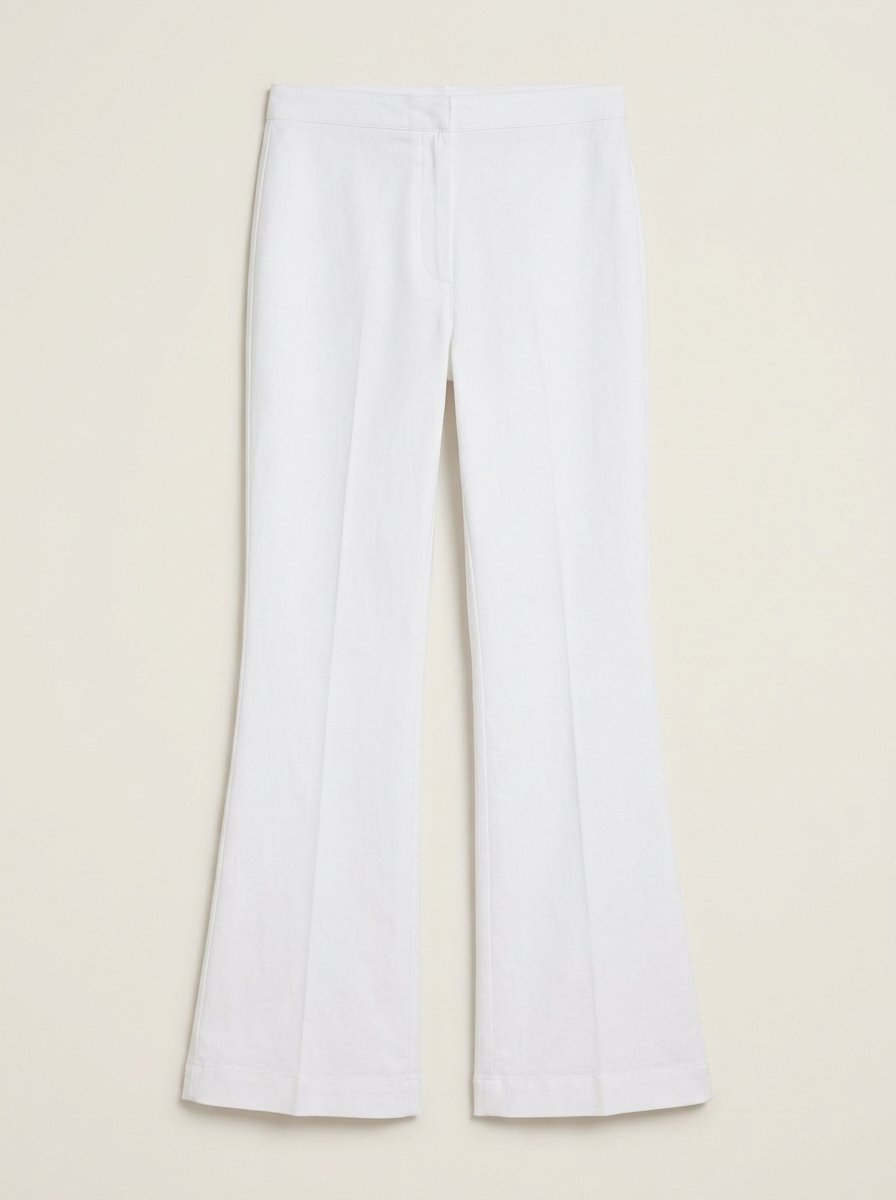
White Farshi Shalwar

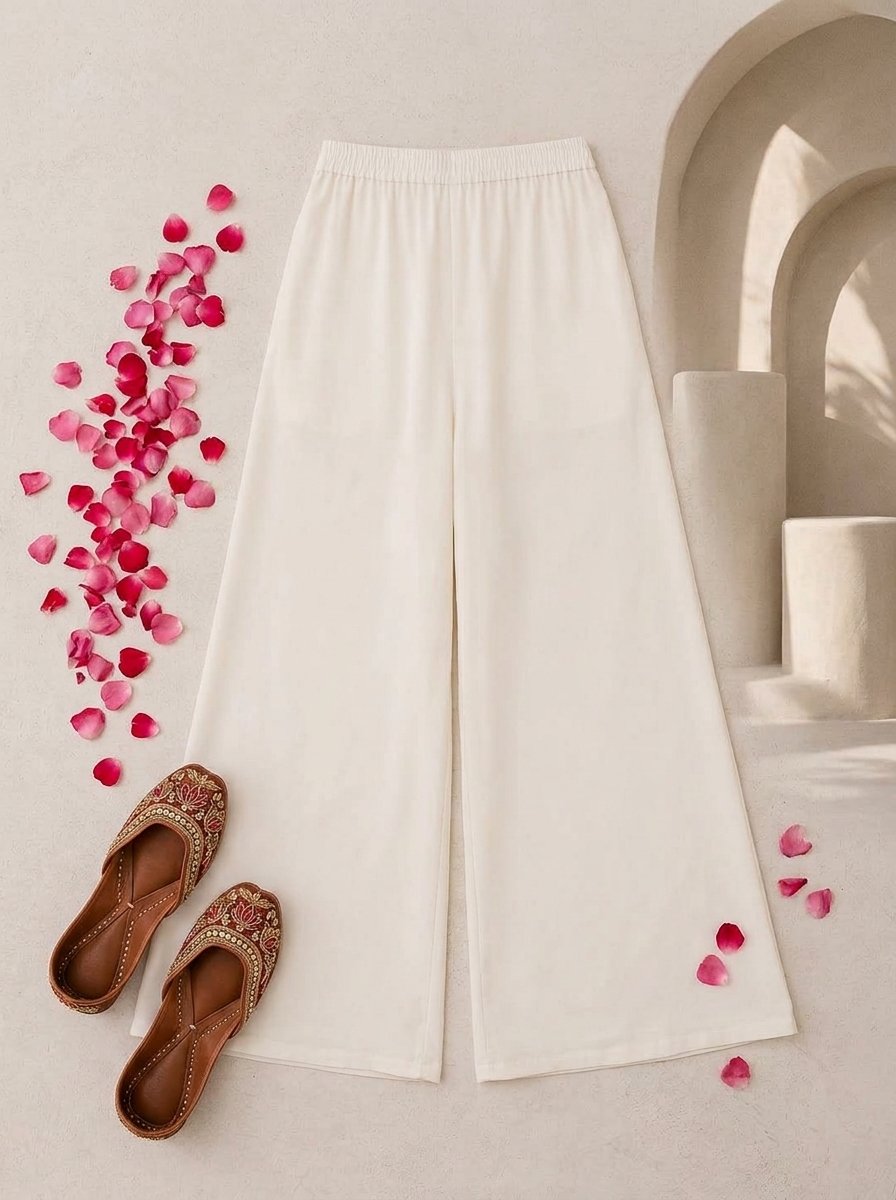
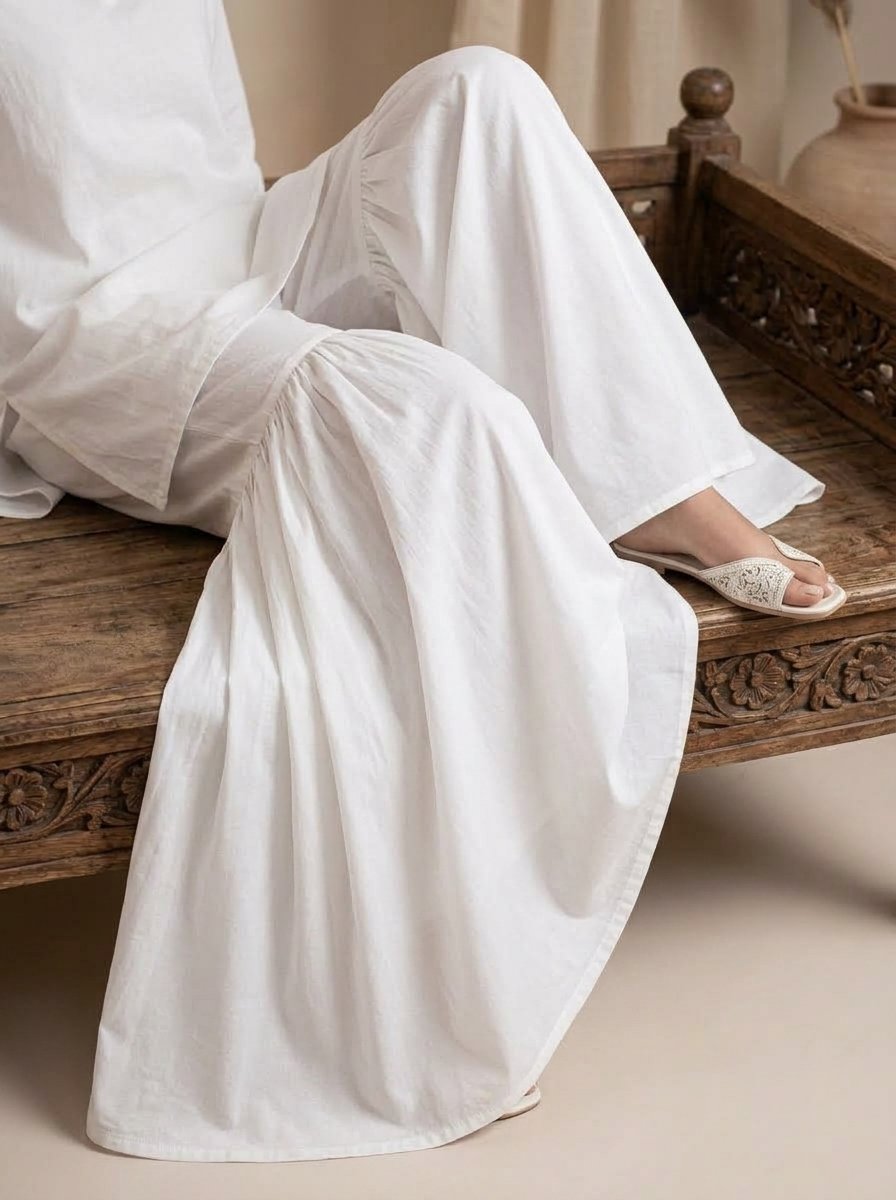
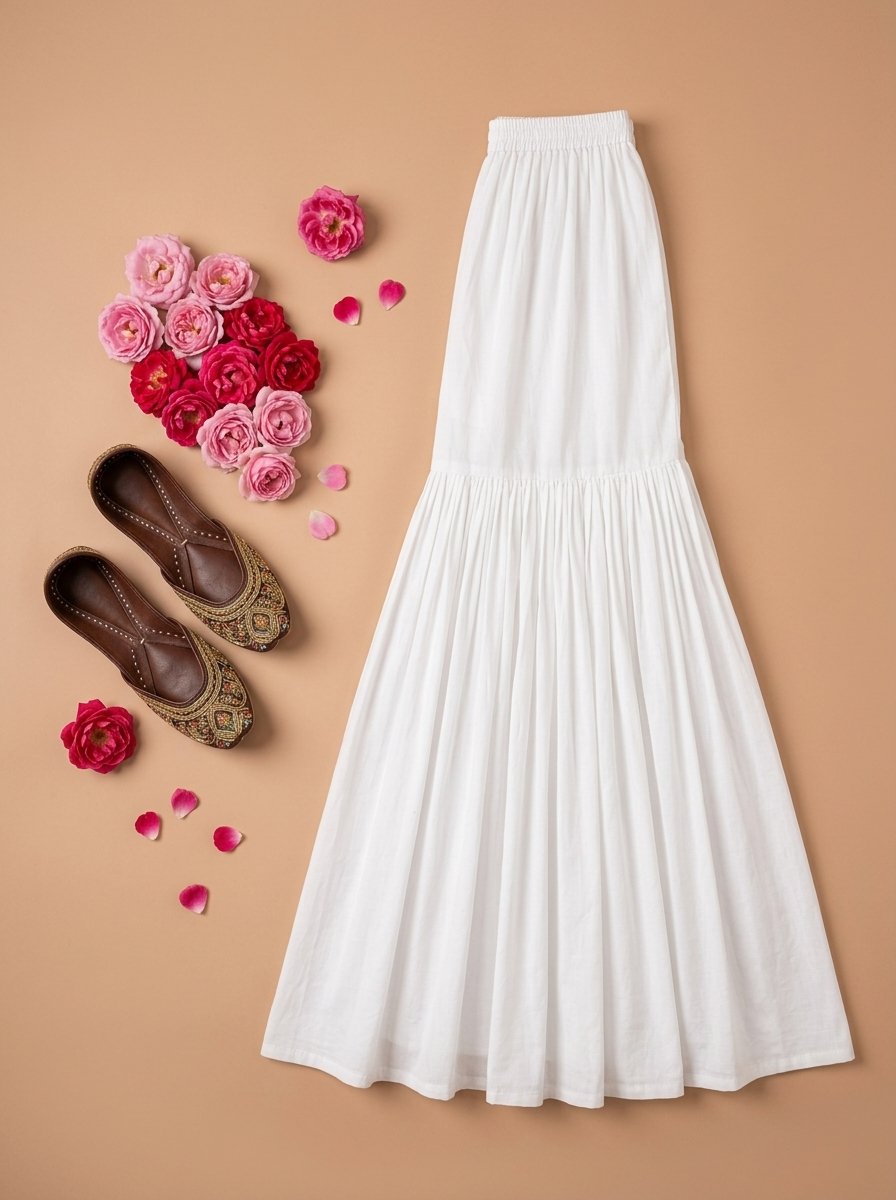
A wide, floor-length classic with soft pleats. The shape is easy to explain to a dyer, so it makes a good first project.

White Culottes Pants

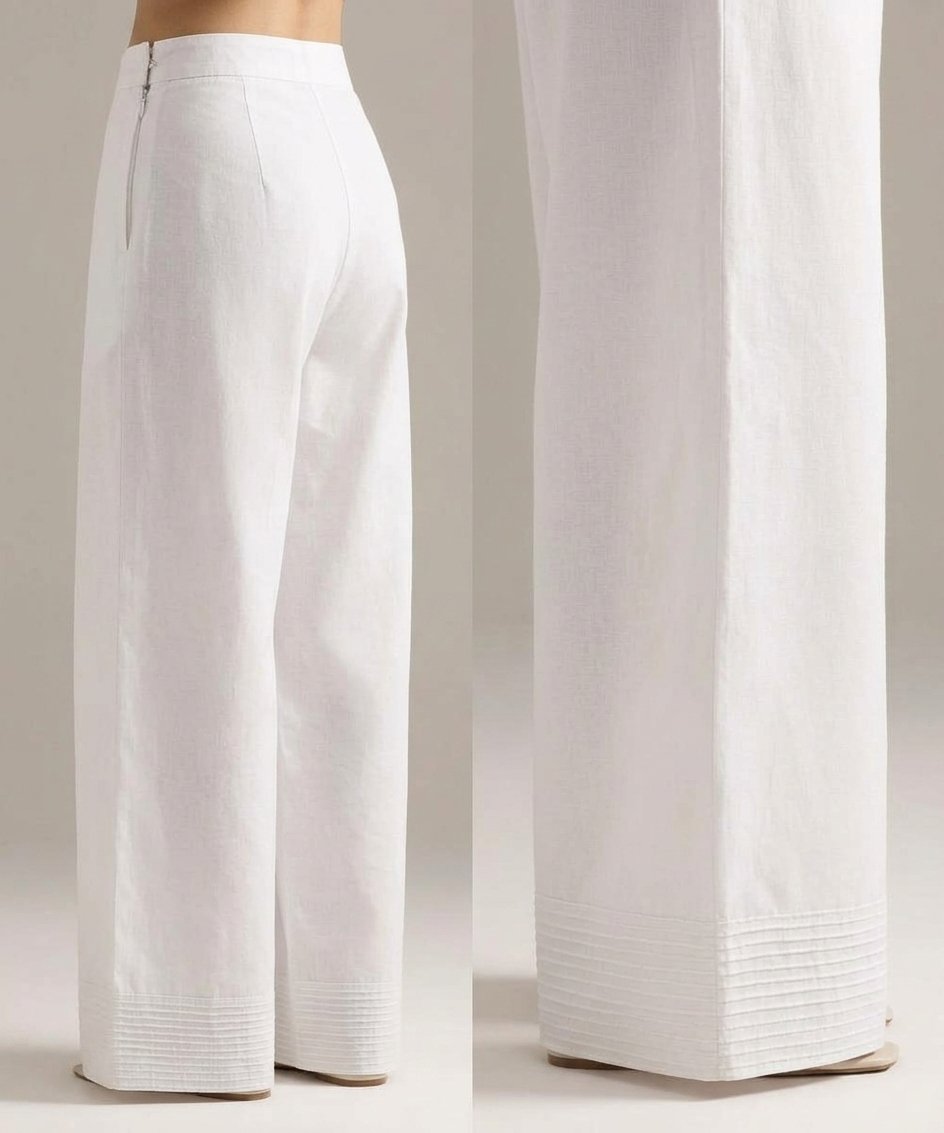
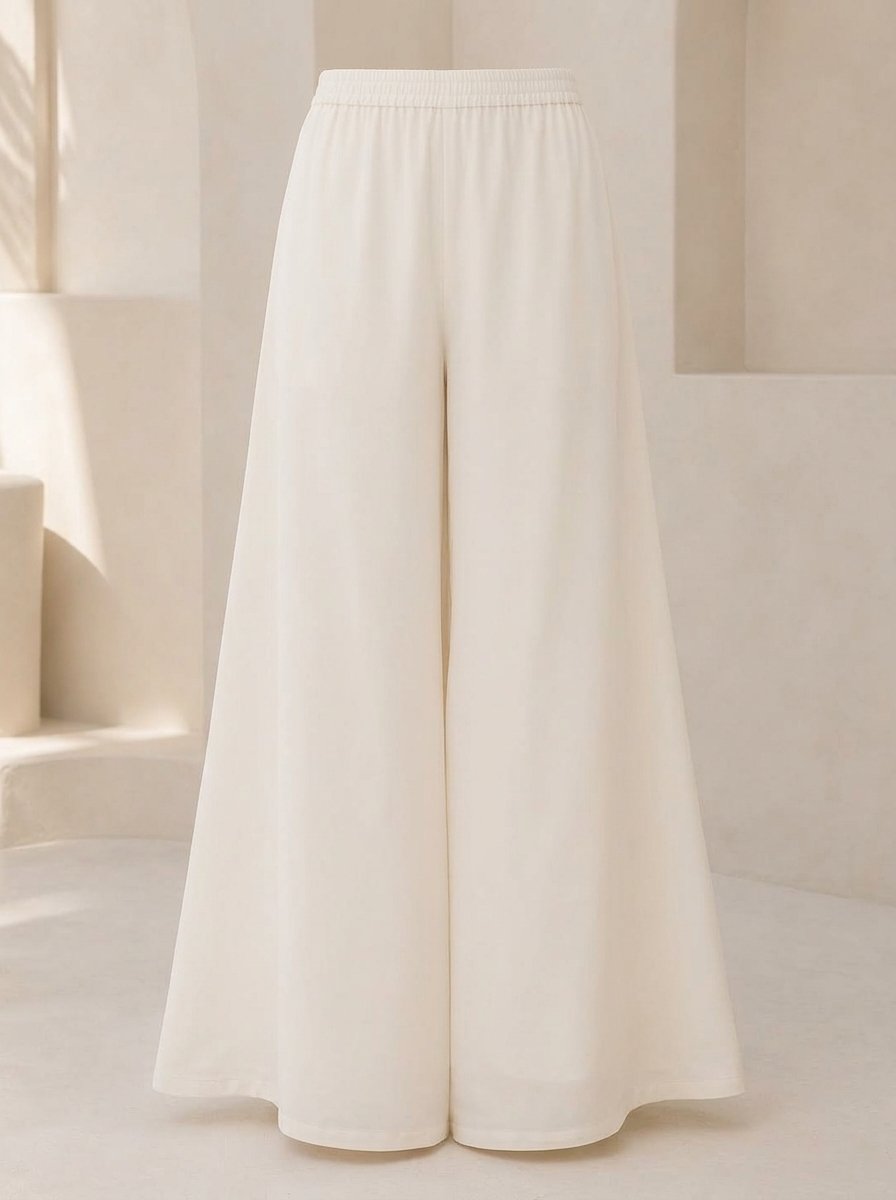
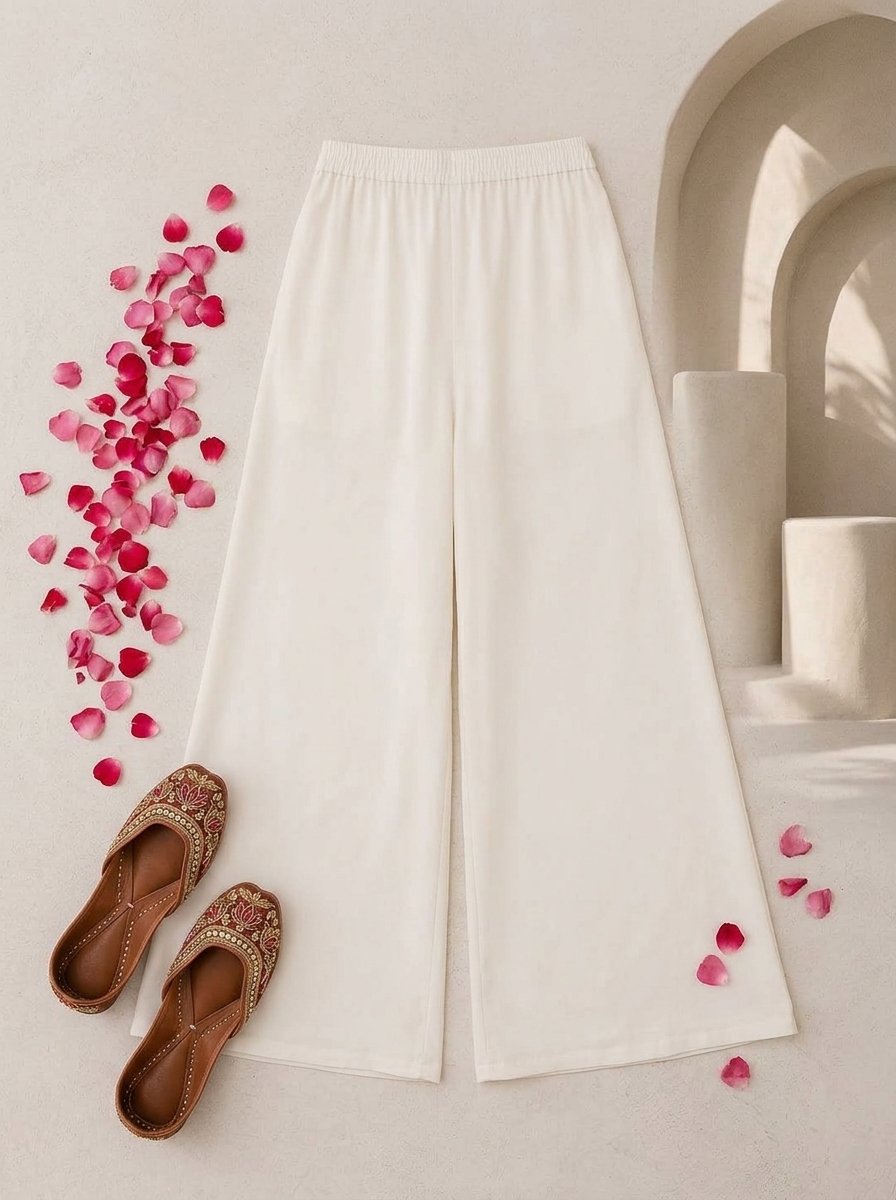
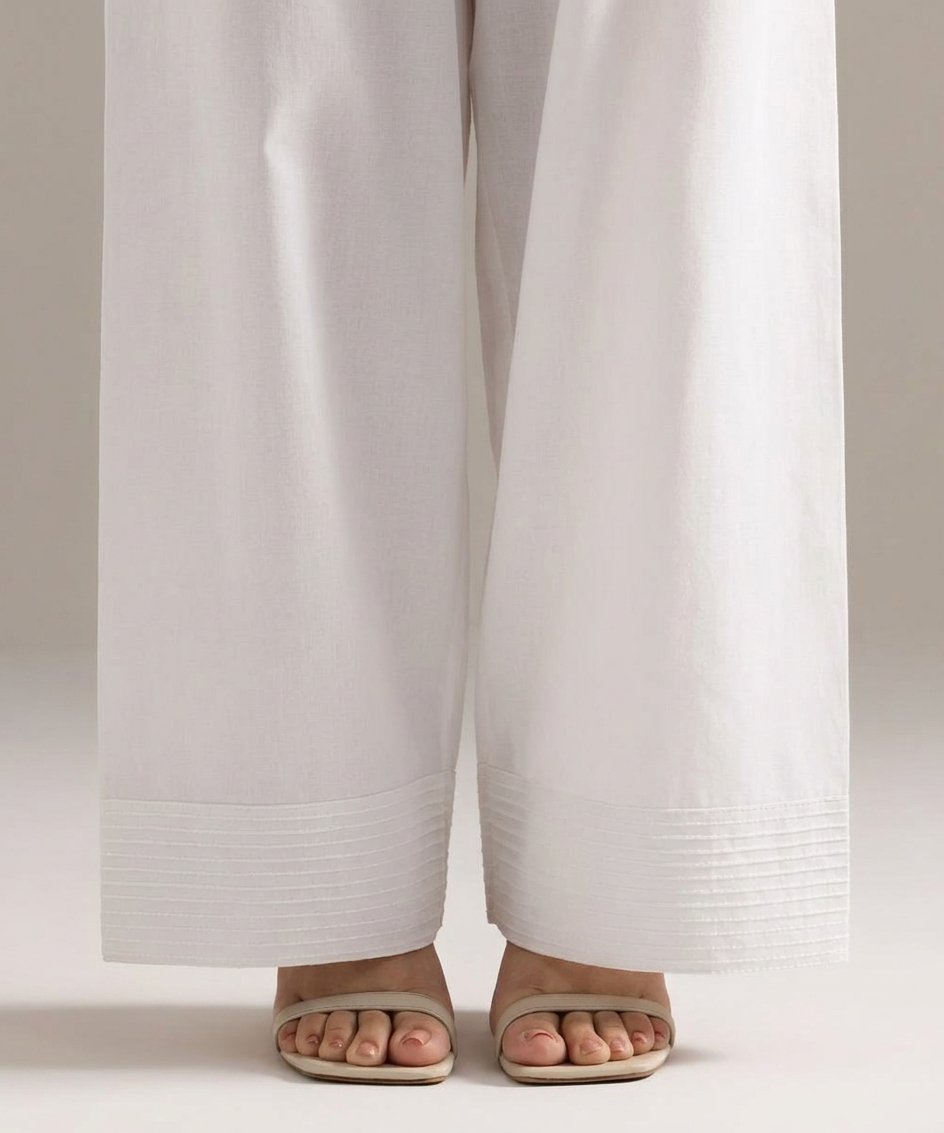
Wide, straight and cropped. The shorter legs use less fabric than a floor-length style, so ask your dyer whether that changes the quote.

White Gharara Pants

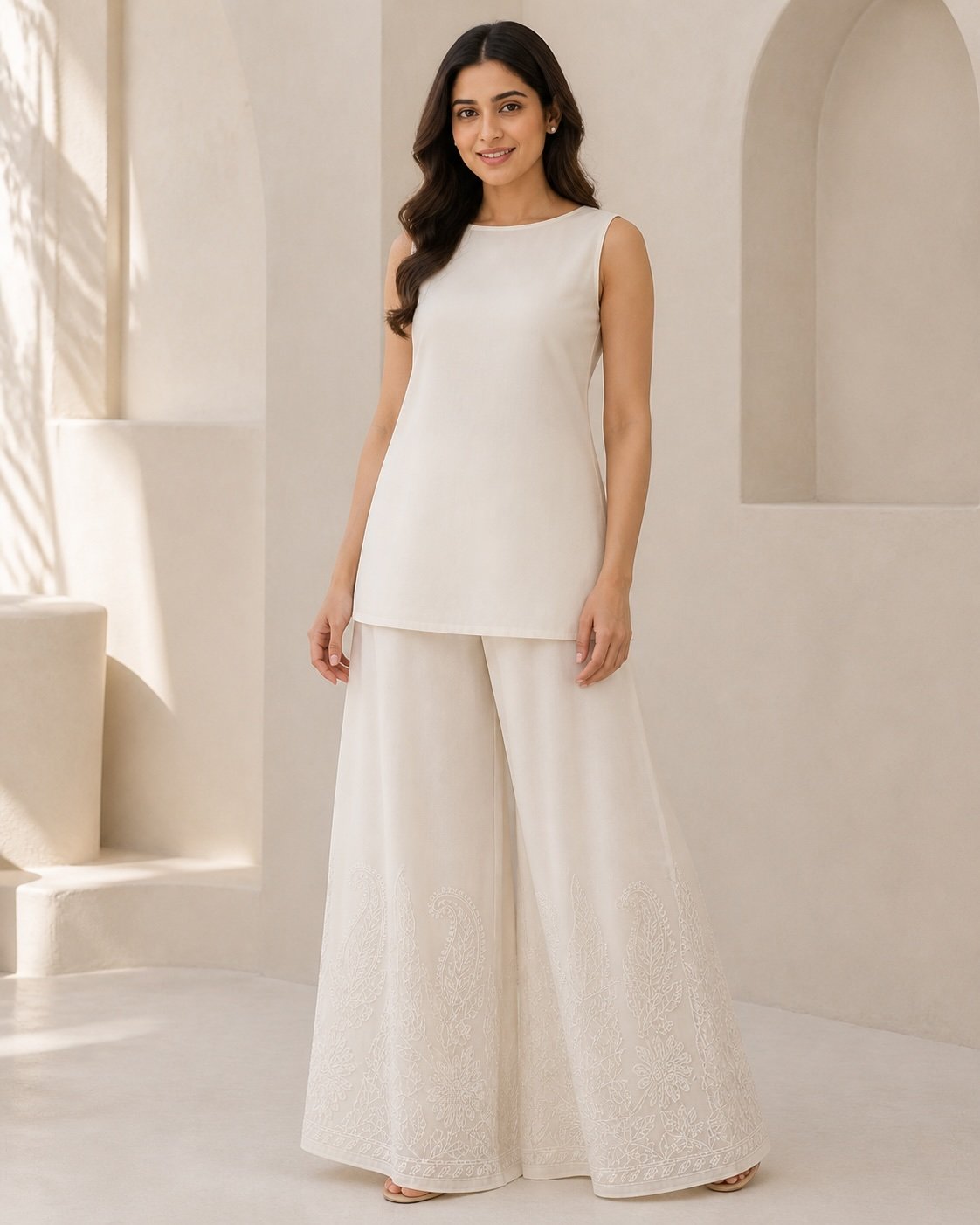
Fitted to the knee, then a wide gathered flare. Ask for a quote for the full flare before you dye.

White Sharara Pants

One continuous flare from the waist. It is a wide piece, so confirm the price first.
Shop Eastern Bottoms or Shop Western Bottoms

FAQ: Shalwar Dyeing Cost in Pakistan

What is the average shalwar dyeing cost in Pakistan?

Dyeing usually costs around Rs. 300, but the rate varies by dyer and by style. Ask for a quote for your exact style before you hand the shalwar over.

Why do dyers charge different prices?

Dyers set their own rates. Dyeing involves dye, chemicals, labour and overheads, and the style, shade and timing can also change the quote.

Does the swatch test cost extra?

It depends on the dyer. Ask whether the quote includes a swatch test, and ask for the price in writing or on WhatsApp.

Does a gharara or sharara cost more to dye than culottes?

It may. Wide styles hold more fabric than slim ones, so some dyers price them differently. Ask for a quote for your exact style.

How much does a dye-to-match shalwar cost in total?

Add the white shalwar’s price to the dyeing charge. For example, a farshi shalwar listed at Rs. 1,500 plus dyeing of around Rs. 300 comes to around Rs. 1,800.

Can I dye a shalwar at home to save money?

You can try, but results depend on the dye, the fabric and your method. Dye supplier Dharma Trading stresses washing the fabric first and giving it enough water to move freely, or the colour can turn out uneven. We recommend a dyer and a swatch test for the closest match.

Ready to Match Your Shade?

The easiest way to avoid a costly mismatch is to start with a plain white base. Browse Shalwar & Co’s white bottoms and choose the shape that fits your outfit. Prefer to ask first? Message us on WhatsApp: 03394011360 or visit our contact page. Curious how it started? Read our story.

Your shirt. Your shade.
Dye to match shalwar using a fabric swatch and white bottom

Dye to Match Shalwar: How It Works, Step by Step

Dye to match shalwar means starting with a plain white bottom, taking it and your shirt to a dyer, and matching the colur with a physical swatch. The dyer tests a small piece first, lets it dry, and only then colors the full shalwar. It is simple, but the swatch step matters.

Instead of hunting for a ready-made bottom in the exact colour, start with our dyeable white bottoms and let a local dyer match it to your shirt.

You know the feeling. You find the perfect kurta, the perfect embroidery, even the perfect dupatta.

Then you look down.

The shalwar is close to the right colour. But not quite.

That tiny mismatch can make the whole outfit look less put together. That’s exactly why we built Shalwar & Co around one simple idea:

Your shirt. Your shade.

The concept is already used elsewhere in fashion. For example, Generation’s Dyeables Shalwar is made with dye-friendly fabric and thread and is designed to be dyed to match outfits. Generation International

Instead of hunting for a ready-made bottom in the exact colour, start with white and let a local dyer match it to your shirt.

What Does โ€œDye to Match Shalwarโ€ Actually Mean?

Dye to match shalwar is a simple custom-colour process.

You start with a plain white bottom made to be dyed. You take it to a dyer with the shirt you want to match. The dyer uses your shirt as the colour reference and tests the shade before dyeing the full piece.

The important part is that you match the real fabric, not a photo on your phone.

Screens can make colours look warmer, cooler, brighter or darker. A physical shirt gives the dyer something real to compare against.

Professional textile dyeing also treats preparation and fibre properties as important parts of the process. NC State’s Zeis Textiles Extension notes that fabric preparation, fibre properties and dye choice all affect the final shade.

That’s why we don’t promise an exact shade match.

A good dyer can get very close, but the result depends on the dyer, dye and fabric. Test first. Dye second.

What Should You Take to the Dyer?

You don’t need a complicated kit.

Take these four things:

  • Your actual shirt: This is your colour reference.
  • Your plain white bottom: Keep it clean before dyeing.
  • A little patience: The swatch needs to dry before you judge it.
  • Your budget: Dyeing usually costs around Rs. 300, but the price varies by dyer and style.

If you wash the shalwar first, skip the fabric softener. Rit recommends pre-washing fabric in warm, soapy water without fabric softener because finishes can interfere with dye absorption.If you are taking a farshi shalwar, gharara or sharara, ask about the price before handing it over. A wider or more elaborate bottom may be priced differently.

Also tell the dyer when you need it. It is much better to ask at the beginning than at pickup.

How Does the Dye to Match Shalwar Process Work?

The process is easier than it sounds.

Step 1: Bring the shirt

Take the actual shirt you want to match.

Don’t rely on a screenshot, Instagram photo or camera image. The fabric is the reference.

If your kurta is sage green in daylight but looks grey under shop lights, your dyer needs to see the real thing.

Step 2: Compare the shirt with dye samples

Show the shirt to the dyer.

Point out the colour you want, but don’t stop at a name like “pink” or “blue.”

Colour names are surprisingly vague.

Instead, say things like:

  • slightly deeper
  • a little warmer
  • less bright
  • more muted
  • closer to the shirt

That gives the dyer a clearer target.

Step 3: Ask for a small swatch test

This is the step we would never skip.In professional textile dyeing, testing a small sample before committing to the full piece is a useful way to check the result. Rit also recommends testing a swatch when fibre content or dye suitability is uncertain.

Ask the dyer to test the colour on a small piece of the same white material before dyeing the entire shalwar.

In professional textile production, a small dyed sample is commonly used to approve a colour before larger-scale dyeing. The same principle makes sense for your outfit: test the shade before committing the whole piece.

Step 4: Let the swatch dry

Don’t approve the colour while it is wet.

A wet fabric sample can look different from the finished dry fabric. Give it time to dry naturally, then compare it with the shirt.

This is where many colour-matching mistakes happen.

Step 5: Check it in daylight

Hold the dry swatch beside the shirt.

Ideally, check them in natural daylight. If the swatch looks right indoors but wrong outside, keep comparing before you approve it.

You want the two pieces to look right together, not just look good separately.

Step 6: Approve the shade

Now make the call.

Say:

“Perfect.”

Or:

“Slightly darker.”

Or:

“A little lighter.”

Clear feedback is better than simply saying, “It doesn’t look right.”

Once you approve the swatch, the dyer can move ahead with the full shalwar.

Why Is the Swatch Test So Important?

Because dyeing the entire bottom first is the expensive way to discover a colour is wrong.

Think of the swatch as your outfit’s trial run.Textile testing organisations also recognise that colour can change or transfer under conditions such as water and rubbing.

A small piece lets you check:

  • the shade
  • the depth of colour
  • how the fabric looks once dry
  • how the colour sits beside your shirt
  • whether you want it warmer, cooler, lighter or darker

Textile testing organisations also recognise that colour can change or transfer under conditions such as water and rubbing. AATCC has specific methods for evaluating these colourfastness behaviours.Textile testing organisations also recognise that colour can change or transfer under conditions such as water and rubbing. AATCC’s textile testing standards include methods for colourfastness to water and rubbing.

For your everyday dye-to-match job, you don’t need a laboratory.

You just need one good habit:

Never skip the small test.

Our Dye-to-Match Checklist

Before you leave your shalwar with the dyer, run through this list.

Before dyeing

  • Bring the real shirt.
  • Make sure the white bottom is clean.
  • Ask the dyeing price.
  • Ask when it will be ready.
  • Ask which dyeing method is suitable for the material.

During the colour test

  • Request a small swatch.
  • Wait until it is dry.
  • Compare it beside the shirt.
  • Check the colour in daylight.
  • Ask for an adjustment if needed.

Before full dyeing

  • Approve the dry swatch.
  • Confirm the final shade.
  • If you are dyeing two pieces together, ask whether they can be dyed in the same batch.

That last point matters if you want a matching bottom and another piece in the same outfit. One approved reference is much easier to manage than guessing twice.

Can Any White Shalwar Be Dyed?

Not necessarily.

The important question is whether the fabric and construction are suitable for dyeing.

That is why our dyeable white bottoms are made specifically around the dye-to-match idea.Every Shalwar & Co bottom arrives in plain white, with dyeable fabric and dyeable stitching thread.

That means you can start with the silhouette you want and choose the colour afterwards.

The concept is already used elsewhere in fashion. For example, Generation currently sells dyeable shalwars specifically designed to be dyed to match outfits.

We take that idea and make the bottom the starting point.

You choose the shirt first.

Then you choose the shade.

What If the Colour Doesn’t Match Exactly?

This is where we take a clear position:

Don’t chase “perfect” from a screen. Chase a good physical match.

Even professional dye-to-match processes use physical colour references and sample approvals because colour depends on the material and conditions.

Your dyer may get extremely close. However, we won’t tell you that every dye job will be identical to your shirt.

That’s not a promise worth making.

Instead, use a physical swatch, compare it dry, check it beside the shirt and approve it before the full piece is dyed.

That gives you much more control.

How Much Does Shalwar Dyeing Cost?

Dyeing usually costs around Rs. 300.

However, treat that as a typical guide rather than a fixed market price. The rate varies by dyer and by style.

A simple bottom may cost differently from a wide farshi shalwar, gharara or sharara.

So ask one question before you hand it over:

“What will this cost, and when will it be ready?”

Simple. No awkward surprise at pickup.

Which Shalwar Style Works Best for Dye-to-Match?

The answer depends on your shirt and the occasion.

For a traditional dawat or festive look, our Eastern Bottoms give you styles such as farshi shalwar, gharara and sharara.The wide silhouette makes the matching shade part of the outfit rather than an afterthought.

For mehndi or Eid, a gharara or sharara gives you more movement and drama.

And if your shirt is more minimal, a clean Western bottom can make the whole outfit feel modern without losing the custom-colour idea.

The wider fashion picture also supports this mix. Pakistani fashion coverage in 2026 continues to show strong interest in traditional silhouettes alongside contemporary separates.

So no, dye-to-match isn’t only for one kind of outfit.

That’s the point.

What Should You Do After Dyeing?

Once the dyer finishes, check the colour before you leave.

Hold the bottom beside your shirt in daylight.

Then ask the dyer about the first wash and follow their care instructions. Dye performance can depend on the dye, fabric and finishing process, so avoid assuming that every dyed garment should be treated exactly the same way.

AATCC’s colourfastness methods show why water, rubbing and other conditions matter when evaluating dyed textiles.

For your first few washes, being cautious is sensible.

The goal is simple: keep the shade looking as close as possible to the colour you approved.

Shop the Look: Pick Your White Base

Every piece arrives in plain white and is dyeable.

White Farshi Shalwar

A strong choice when you want your matched colour to become the main feature of the outfit.
Style: wide, flowing farshi silhouette for traditional and festive looks.
Price 1,500.

White Gharara Pants

Ideal when your shirt needs a festive bottom that can take on its exact colour direction.
Style: fitted through the upper leg with a wide gathered flare.

Price 2,500

White Sharara Pants

A good option for a flowing, occasion-ready look where the colour can move beautifully with the silhouette.
Style: continuous flare from the waist for a dramatic finish.
Price 2,500

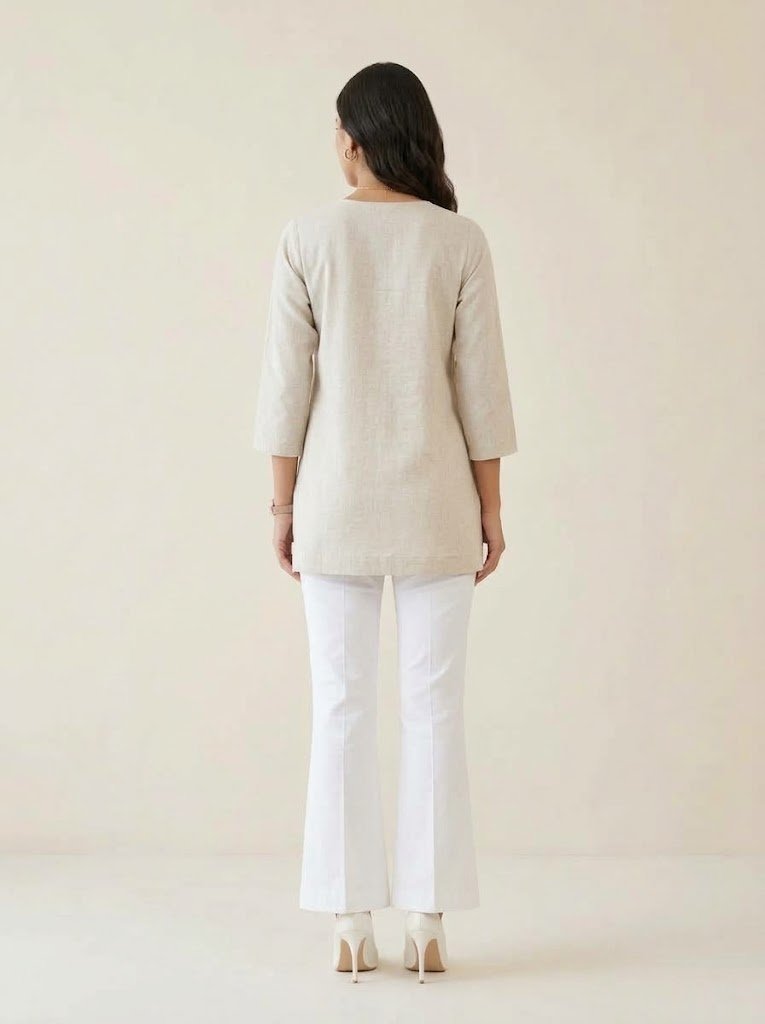
White Bell Bottom Pants

For a more modern outfit, start with a clean white base and match it to your kurta or shirt.
Style: fitted through the upper leg with a flared hem.
Price 1,500

FAQ: Dye to Match Shalwar

What does dye to match shalwar mean?

Dye to match shalwar means taking a plain white, dyeable shalwar to a dyer and matching its colour to your shirt. A small swatch should be tested and approved before the full piece is dyed.

How do I match a shalwar to my shirt?

Take your actual shirt and the white shalwar to a dyer. Ask for a small colour swatch, let it dry completely, and compare it with the shirt in daylight before approving the full dye job.

How much does it cost to dye a shalwar in Pakistan?

Dyeing a shalwar usually costs around Rs. 300, but the rate varies by dyer and by style. Ask for the price before leaving your garment with the dyer.

Can a white shalwar be dyed any colour?

A white shalwar can be dyed when its fabric and construction are suitable for the dyeing process. Shalwar & Co bottoms are sold in plain white with dyeable fabric and dyeable stitching thread.

Will my dyed shalwar match my shirt exactly?

A dyer can aim for a close match, but an exact shade cannot be guaranteed. The best approach is to use the real shirt as the reference and approve a dry fabric swatch before full dyeing.

Should I test the dye before dyeing the whole shalwar?

Yes. Testing a small swatch first is the safest way to check the shade before dyeing the entire shalwar. Compare the dry swatch beside your shirt in daylight before approving it.

Ready to Match Your Shade?

The easiest way to build a coordinated outfit is sometimes to stop searching for the perfect colour.

Start with the silhouette you already want.

Then match the colour to your shirt.

Browse Shalwar & Co’s white bottoms and choose the shape that fits your outfit. Prefer to ask first? Message us on WhatsApp 03394011360

Your shirt. Your shade.

Woman comparing her teal kurta to a fabric swatch to dye white shalwar to match

How to Dye a White Shalwar to Match Your Shirt

To dye white shalwar so it matches your shirt, take both to a dyer. Ask for a swatch test first, and judge the shade only when it is dry, in daylight. Dyeing usually costs around Rs. 300, and the rate varies by dyer and style. Plain white gives the cleanest result.

You found the perfect kurta, but the shalwar never matches. That’s why we sell plain white bottoms. This guide shows how to dye white shalwar at a real dyer. You will know what to bring, what to ask and when to say yes.

What Should You Bring Before You Dye White Shalwar?

Walk in prepared, and your dyer can work faster. Bring these four things.

Dharma Trading recommends pre-washing fabric to remove dirt, oils, finishes and even fingerprints that can cause uneven dyeing. Dharma Trading’s dyeing guide

  • Your shirt. The real fabric beats any phone photo, because screens change colour.
  • A daylight check. Step outside with your shirt before you talk shades, because shop lights can change how a colour looks.
  • Your budget and deadline. Ask for the price first, then agree on the day you need it back.

If you wash the shalwar first, skip the fabric softener. Rit, a well-known dye maker, recommends washing without it.

How Do You Dye White Shalwar at a Dyer?

The process is simple, but the order matters. Follow these six steps.

  1. Show your shirt in daylight. Hold it next to the dyer’s sample colours and point at the shade you want.
  2. Ask which dye the dyer will use for your fabric.Rit notes that fibre content and fabric weight affect how colour appears, and recommends testing a swatch when you’re unsure about the result. Rit’s fabric dyeing instructions
  3. Ask for a swatch test. The dyer colours a small piece first, using the checklist below.
  4. Wait until the swatch is fully dry. Then compare it with your shirt.
  5. Approve or adjust. Say lighter, darker or perfect, and be specific.
  6. Let the dyer treat the whole piece. Then ask about care for the first washes, and wash it separately at first.

Why Does the Shade Look Different Wet and Dry?

Fabric looks darker when wet and dries lighter, according to Rit. Rit’s immersion dyeing. So a swatch that looks perfect in the bath may look pale on your shirt. Always wait until it is fully dry. Then hold it against your shirt in daylight.

The Swatch-Test Checklist We Give Every Customer

We’ll be blunt: skipping the swatch test is the costliest shortcut in this whole process. It takes little time, and it protects your whole outfit. Use this checklist.

  • Ask the dyer to dye a small white scrap first. If there is no scrap, ask whether a hidden inner edge can serve as the test, but only if the dyer agrees.
  • Let the swatch dry completely. Resist judging it while it is wet.
  • Check it in daylight, right beside your shirt.
  • Step back to arm’s length. People see your outfit from a distance, not from two inches away.
  • Say what you want in plain words, such as “a shade deeper” or “slightly lighter”. Dyers act faster on clear instructions.
  • Dye white shalwar in full only after you approve the dry swatch.
  • Want a matching dupatta too? Ask the dyer to colour both pieces in the same batch, so the shades stay coordinated.

How Much Does It Cost to Dye White Shalwar?

Shalwar dyeing usually costs around Rs. 300. However, the rate varies by dyer and by style. A wide piece such as a gharara or sharara may be priced differently from a slim one, so ask for the price before you hand it over. For example, ask, “What will this cost, and when will it be ready?” That one question avoids surprises at pickup.

What Mistakes Ruin a Shade Match?

Shalwar colour matching goes wrong in a few predictable ways. Avoid these.

  • Matching from a phone photo instead of the real shirt.
  • Judging the swatch while it is still wet.
  • Skipping the test because the dye is only Rs. 300. The real cost is the outfit.
  • Handing over a worn shalwar. Dirt and oils can leave blotchy patches.
  • Forgetting to ask how to wash it the first few times.

Shop the Look: Dye-Ready Eastern Bottoms

Every piece below arrives in plain white and is dyeable.

White Farshi Shalwar

The classic wide, floor-length shape that shows off a matched shade. Style: wide legs with soft pleats. Price 1,500

White Sharara Pants

One continuous flare, so the color moves with you at a dawat. Style: flows from the waist with no knee seam. Price 2,500

White Gharara Pants

A festive match for mehndi and Eid. Style: fitted to the knee, then a wide gathered flare. Price 2,500

FAQ: How to Dye White Shalwar to Match Your Shirt

How do you dye white shalwar to match a shirt?

Take your shirt and the white shalwar to a dyer, and ask for a swatch test first. Let the swatch dry fully, then compare it with your shirt in daylight. Approve the shade, and the dyer treats the whole piece.

How much does it cost to dye a shalwar in Pakistan?

Dyeing usually costs around Rs. 300, but the rate varies by dyer and by style. Ask for the price before you hand the shalwar over.

Will the dyed shalwar match my shirt exactly?

A good dyer can match your shirt closely. However, results depend on the dyer, the dye and the fabric, so we never promise an exact shade. A swatch test makes the result far more reliable.

Why does dyed fabric look different when it dries?

Fabric looks darker when wet and dries lighter, according to Rit’s dyeing instructions. Judge your shade only after the swatch dries completely, preferably in daylight.

Should I wash a shalwar before dyeing it?

Dye needs a clean surface, and dye makers such as Rit and Dharma Trading recommend washing first to remove dirt and finishes. Skip fabric softener. Ask your dyer whether they prefer to wash it themselves.

Does the stitching change colour too?

Shalwar & Co bottoms use dyeable stitching thread, so the seams take colour along with the fabric. Thread on garments from other brands may behave differently, which is why a swatch test matters.

Ready to Find Your Shade?

Browse the shop and pick your first white piece.