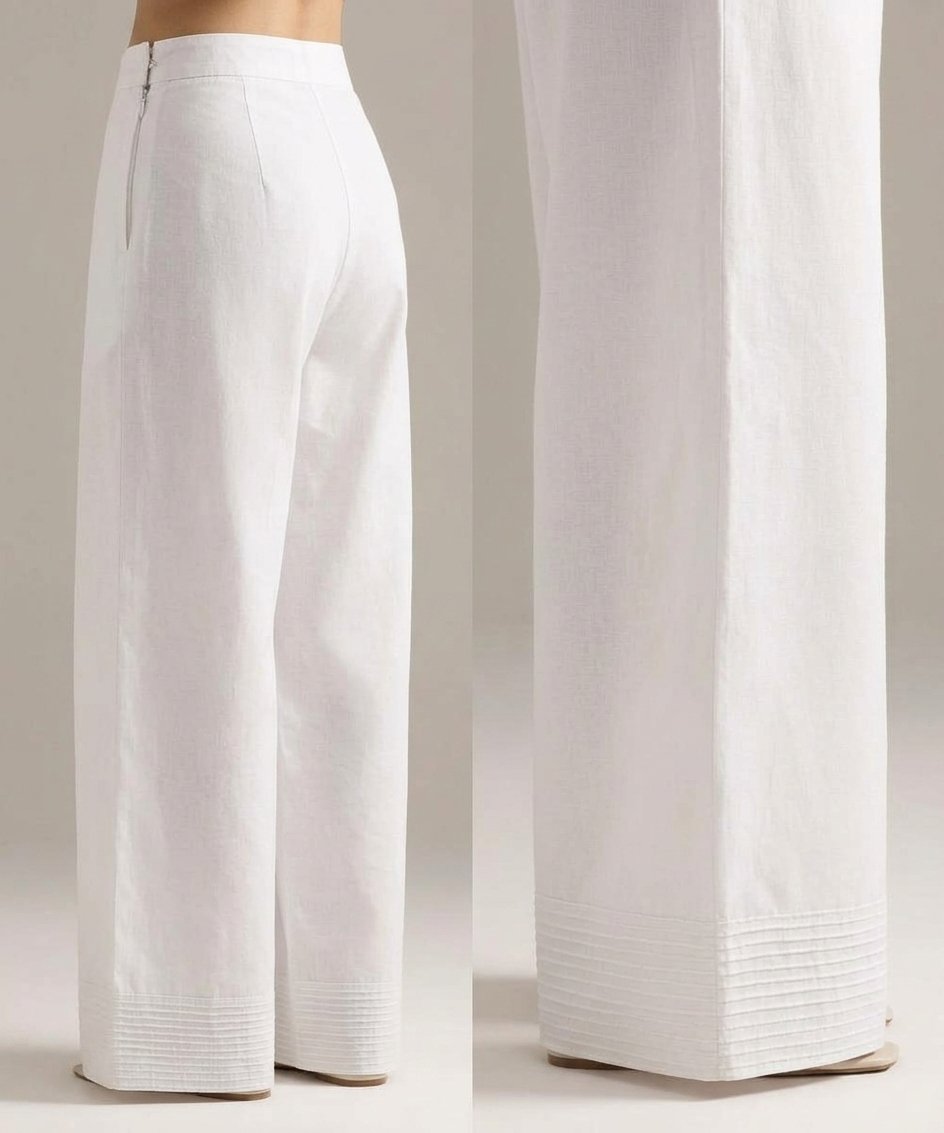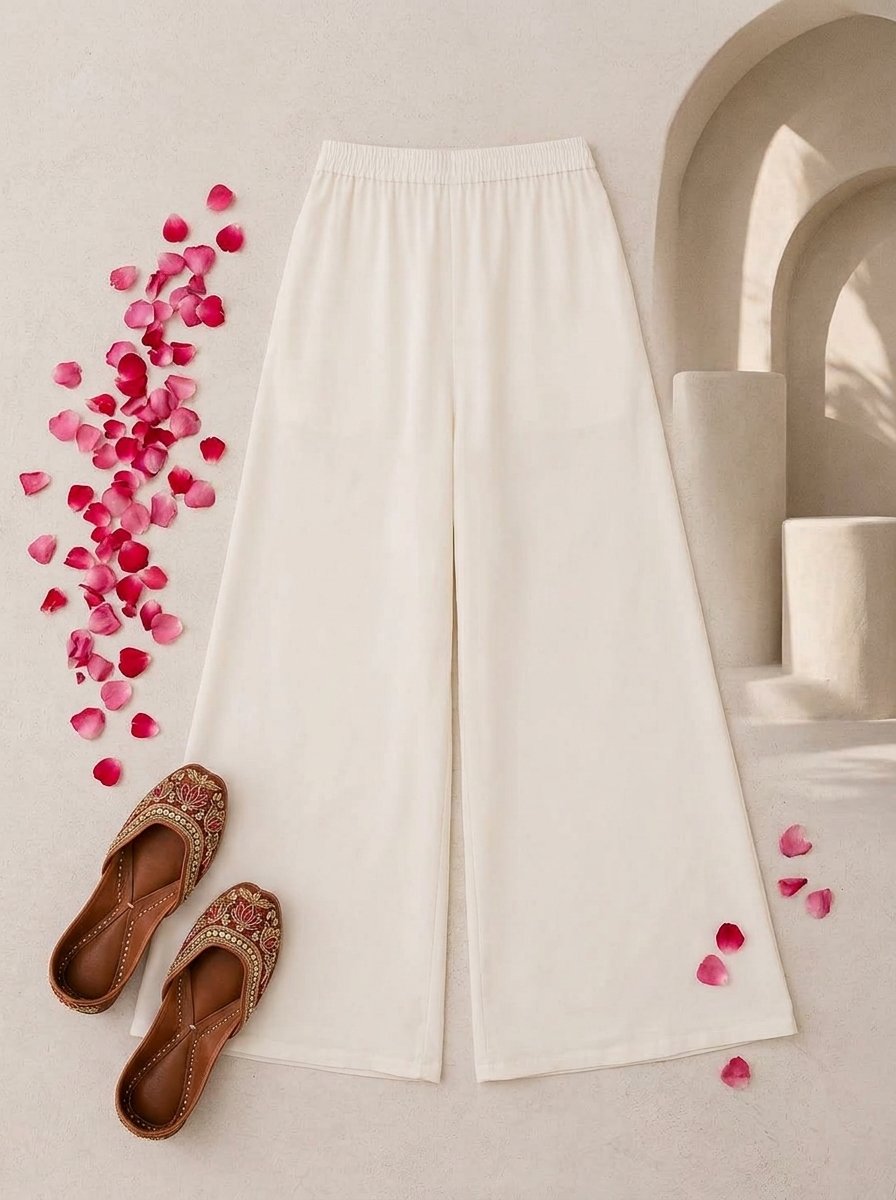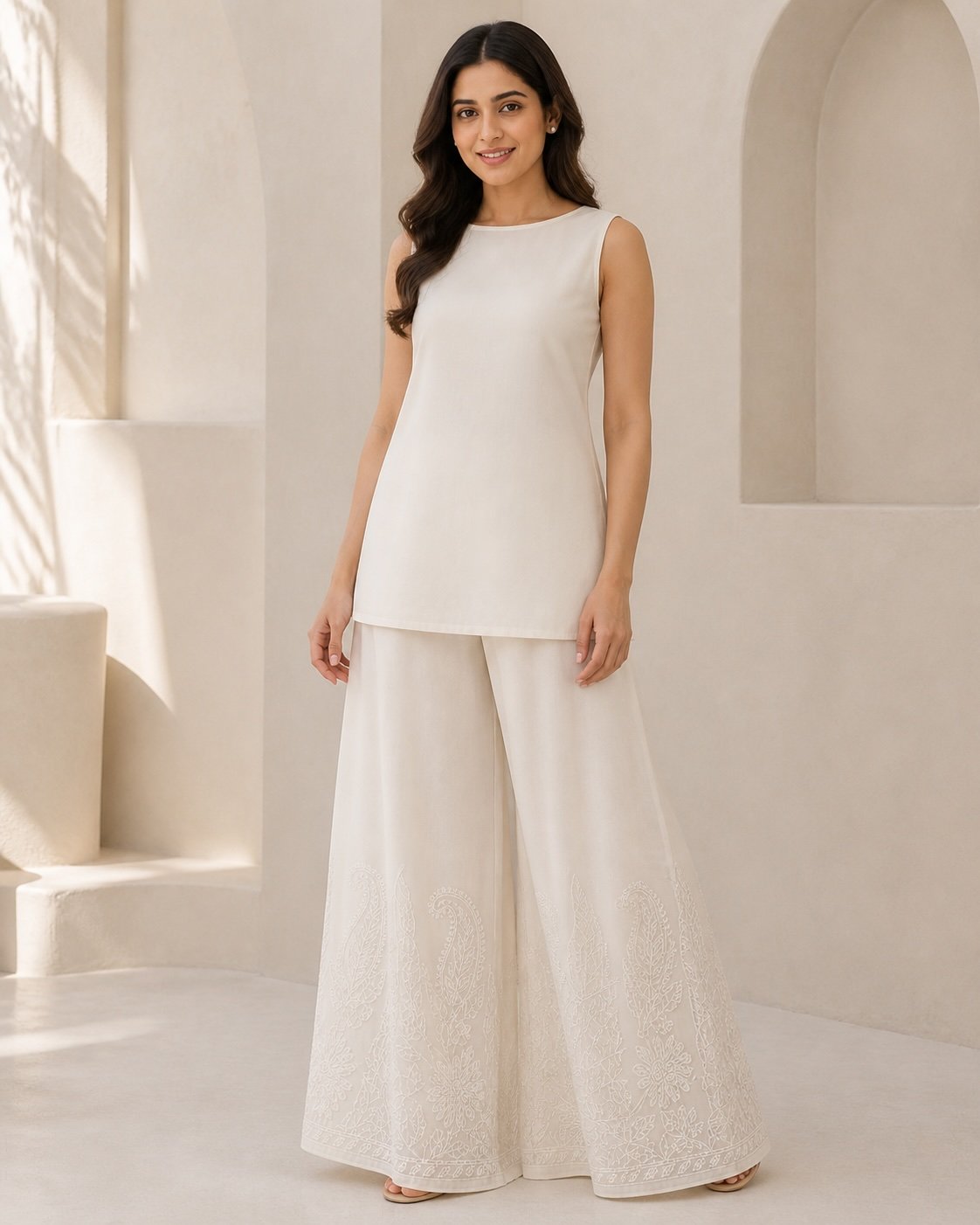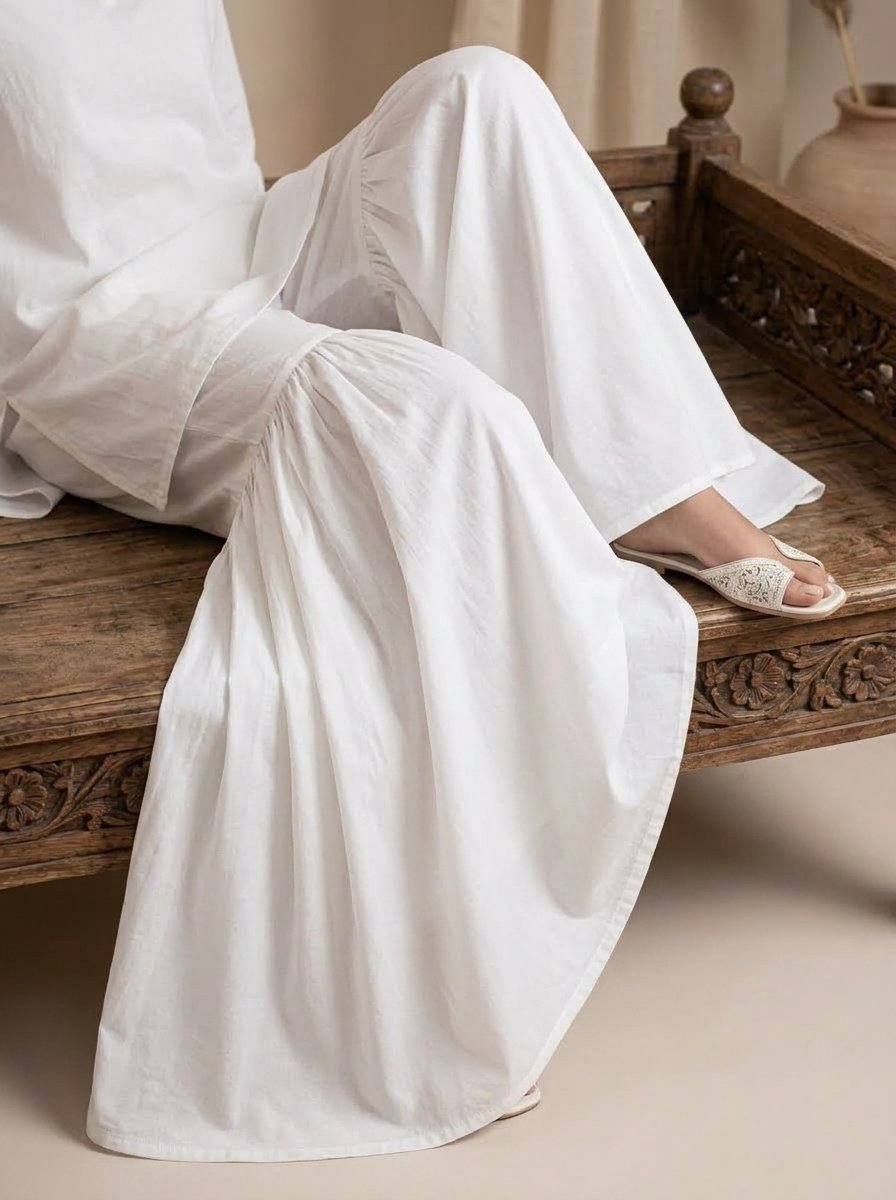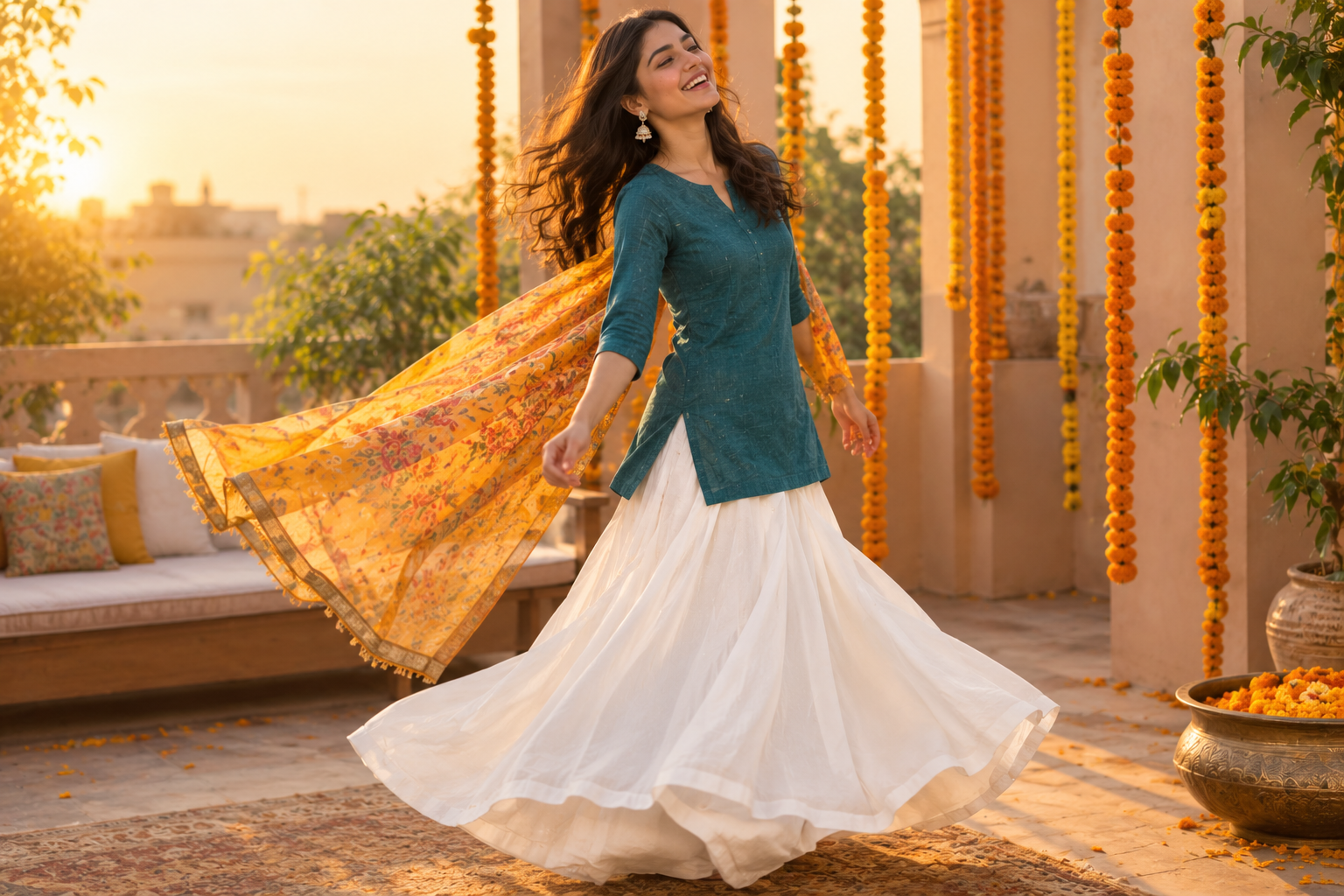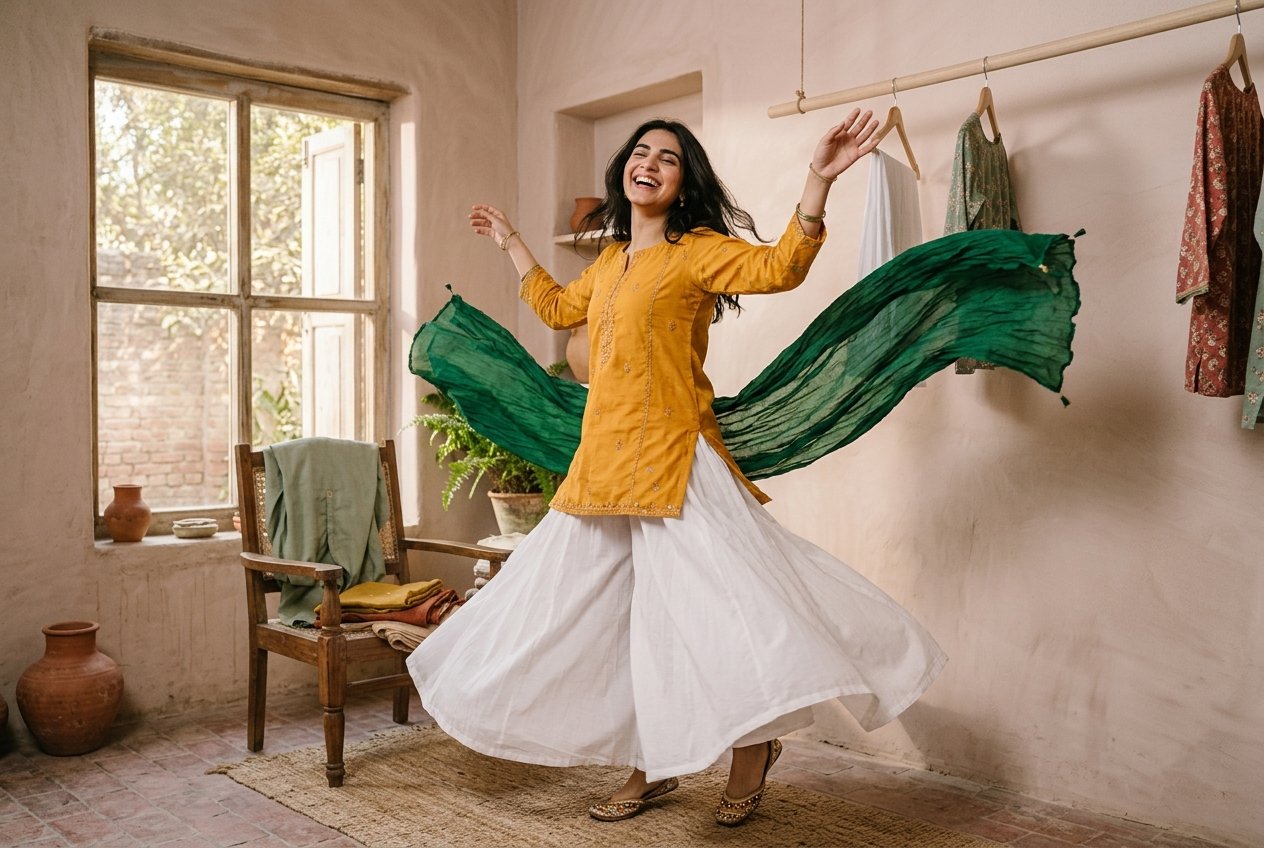
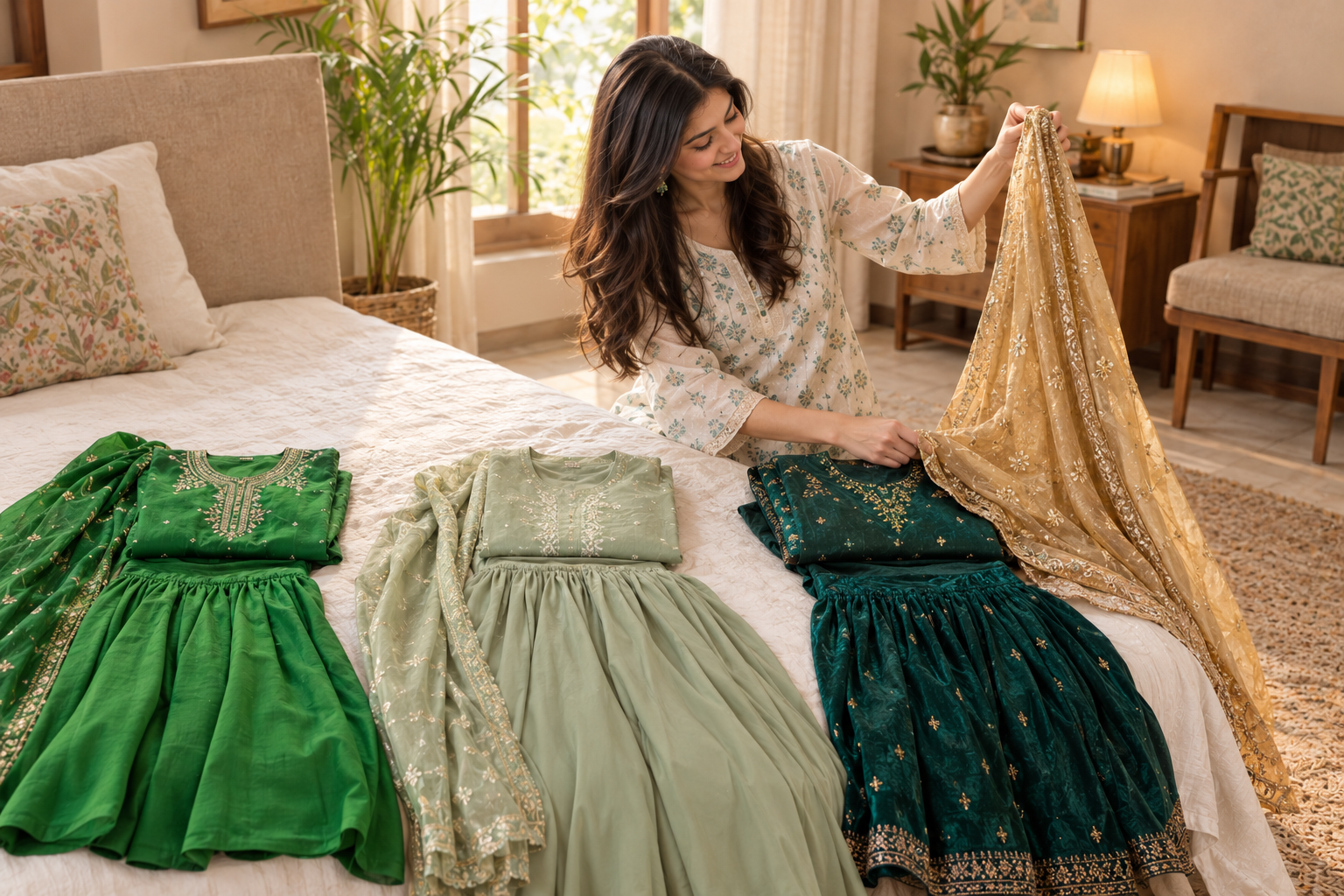
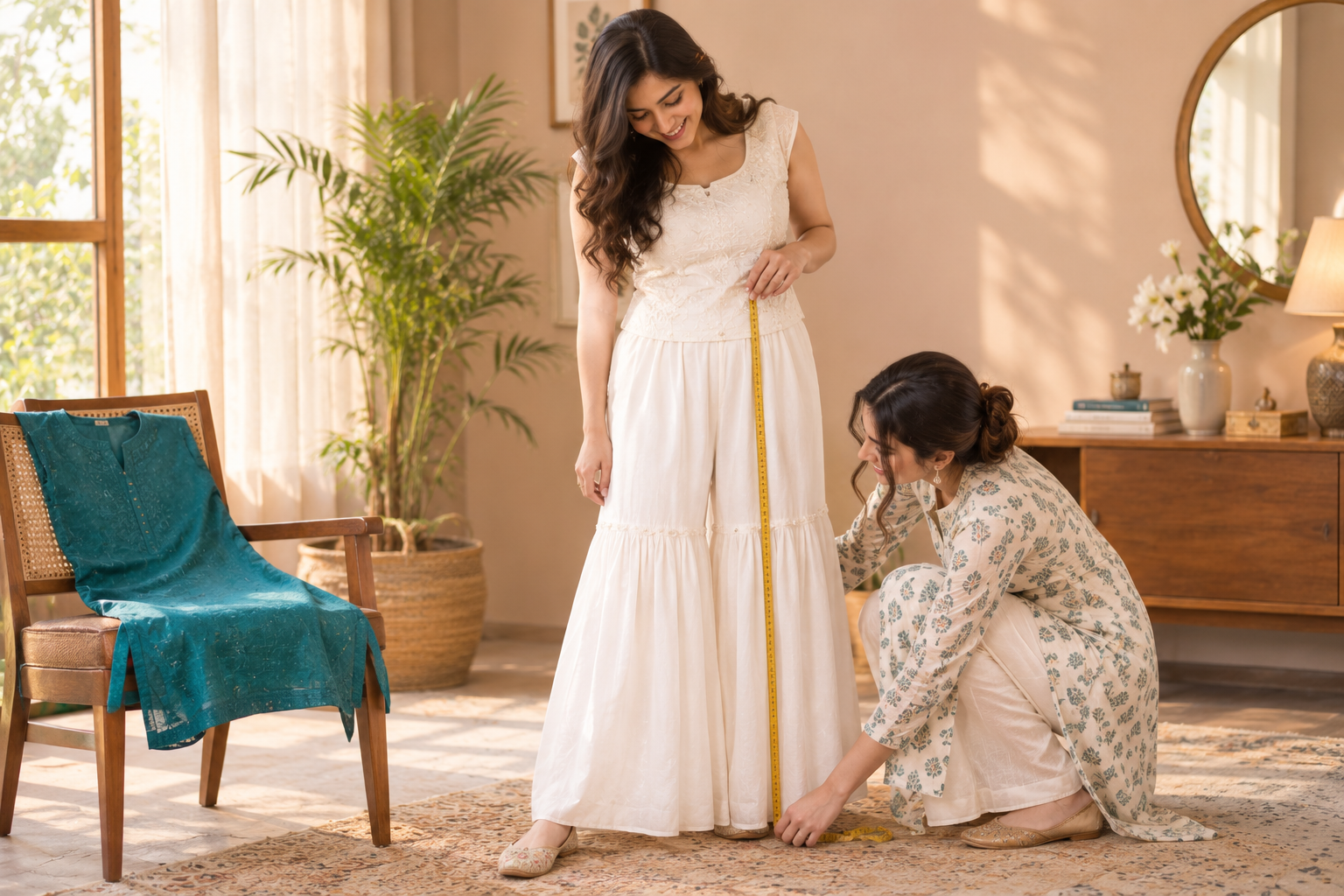
Woman choosing between two dupattas for Eid 2027 outfit ideas with a dyed sharara

Eid 2027 Outfit Ideas

Eid 2027 outfit ideas start with your calendar, not a shopping list.

Write down what you will really do. Chand raat. Eid morning. One family lunch. One evening dawat. That is four moments, and most people need two or three outfits for them, not ten.

Then check the dates. Wego’s Ramadan 2027 guide expects Ramadan to begin around 8 or 9 February in Pakistan and Eid ul-Fitr around 9 or 10 March. The final dates depend on moon sighting. That still leaves a few months, which is plenty of time to dye a bottom without rushing.

What Is Trending for Eid, According to Pakistani Brands?

Brand guides agree on a simple split. Treat them as direction, not rules.

  • Pastels by day, jewel tones by night. Chic Ophicial’s Eid guide lists lavender, mint green and powder blue for daytime. It lists emerald green and deep plum for evening.
  • Short kurtis with ghararas, and quieter embroidery. RJ’s Pret’s Eid trend guide names short kurtis with ghararas and minimal tone-on-tone embroidery.
  • Sharara and gharara for first-day gatherings. Hooraine’s guide says they suit first-day gatherings, larger family events and dressier evenings.

How Do You Plan Eid 2027 Outfit Ideas Around Your Real Calendar?

Hooraine warns that the easiest mistake is buying for imaginary plans instead of your real calendar. So count your moments first. Then give each one a bottom, a shade direction and a pair of shoes.

This table is our styling suggestion, not a rule.

MomentMoodBottomShade directionFootwear
Chand raatBright and easySharara or culottesBright, or a metallic accentComfortable flats
Eid morningSoft and modestFarshiPastelJuttis or sandals
Family visitsWarm and festiveFarshi or ghararaPastel with goldJuttis
Evening dawatLighter and polishedCulottes or shararaRicher, or understatedShoes you can sit in

Can One Dyed Bottom Cover Two Events?

Yes, if you swap the dupatta. Habiba Minhas notes that many people change into something lighter and more comfortable for an evening dawat. So keep the dyed bottom, and change the mood on top.

One more tip comes from Mishuuu’s Eid guide: if you wear heavy jewellery, choose a slightly softer outfit colour. Otherwise the look gets too loud.

Look 1: Mint on mint (Match)

  • Day: a mint kurta with a farshi dyed the same mint, and an ivory dupatta.
  • Evening: swap to a champagne organza dupatta.

Look 2: Powder blue over white (Contrast)

  • Day: a powder blue kurta with a plain white sharara and a pale blue dupatta.
  • Evening: swap to a silver dupatta.

Look 3: Lilac, one shade deeper (Deepen)

  • Day: a lilac kurta with culottes dyed one shade deeper.
  • Evening: swap to a gold dupatta and add jewellery.

Look 4: Emerald for the evening (Match)

  • Day: an ivory kurta with a gharara dyed emerald, and a light dupatta.
  • Evening: add a gold dupatta, since emerald is a jewel tone for evening.

[INSERT PHOTO: a real day-to-night swap on one dyed bottom, with the same bottom and two different dupattas.]

When Should You Dye for Eid 2027?

Work backwards from Eid. This is our suggested timeline, not a dyer’s schedule, so ask your own dyer first.

  1. Early January: choose a hero colour for each outfit.
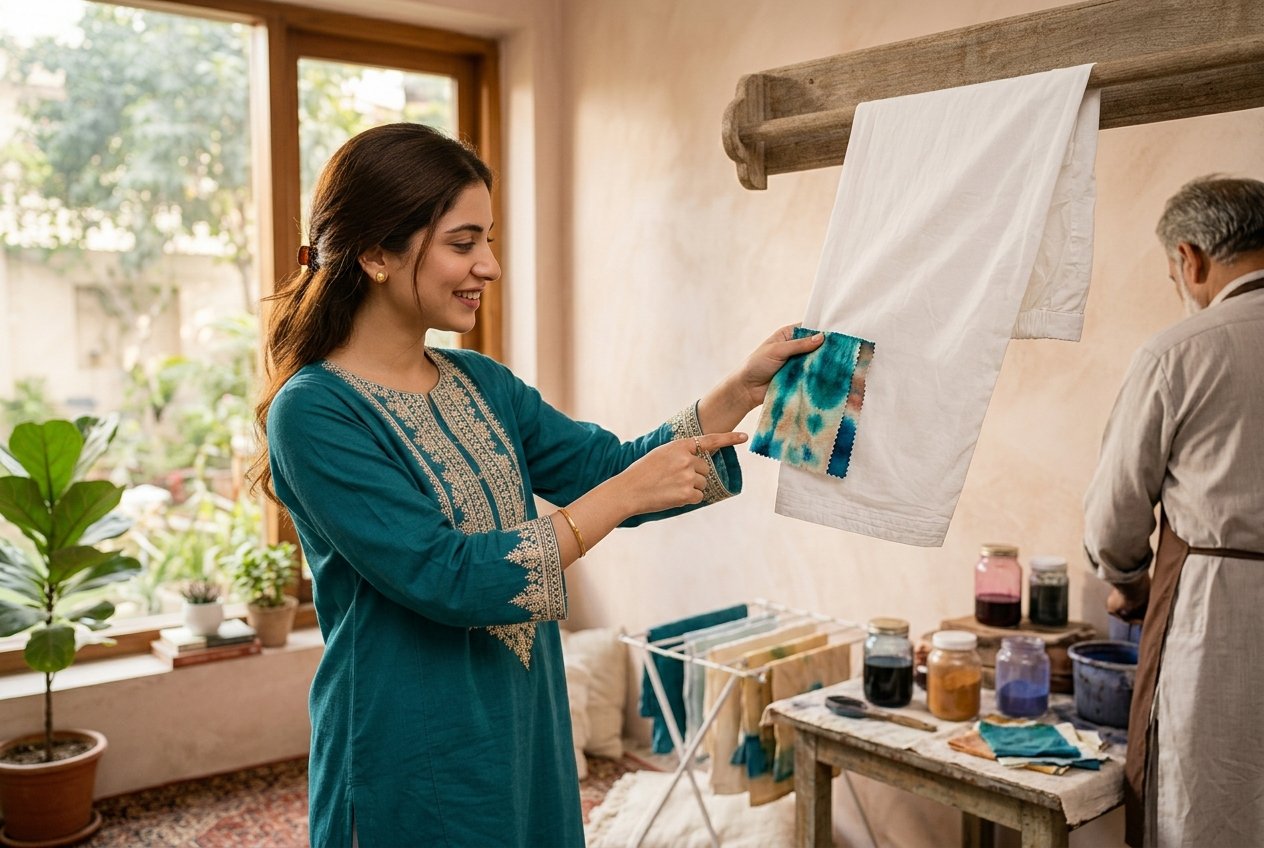
  2. Mid to late January: take your kurta to the dyer for a swatch test.
  3. Before Ramadan starts, around 8 or 9 February: drop off the bottom. Dyers may be busier closer to Eid, so ask for a pickup date.
  4. Two weeks before Eid: try the full outfit with shoes and jewellery.

Here is the cost at the prices listed on our site today. Check each product page for the current price.

A farshi and a pair of culottes together cost around Rs. 3,600. Dyer rates vary, and wide pieces may be priced differently.

Which Mistakes Spoil an Eid Outfit?

  • Buying for a calendar you do not have. Count your real plans first.
  • Heavy on heavy. Pair embellished jewellery with a softer outfit colour.
  • Judging the shade only in daylight. Check it in the evening light you will wear.
  • Dyeing in the last week. Ask your dyer for the pickup date early.
  • Skipping the swatch test. A small test shows the real shade. Our guide How to Dye a White Shalwar to Match Your Shirt explains it.

Results depend on the dyer, so we never promise an exact shade. For more on cost and colour, read How Much Does It Cost to Dye a Shalwar in Pakistan? and Why Your Shalwar Never Matches Your Kameez (and the Fix).

Shop the Look: Start With a White Base

Every piece below arrives in plain white and is dyeable.

White Farshi Shalwar

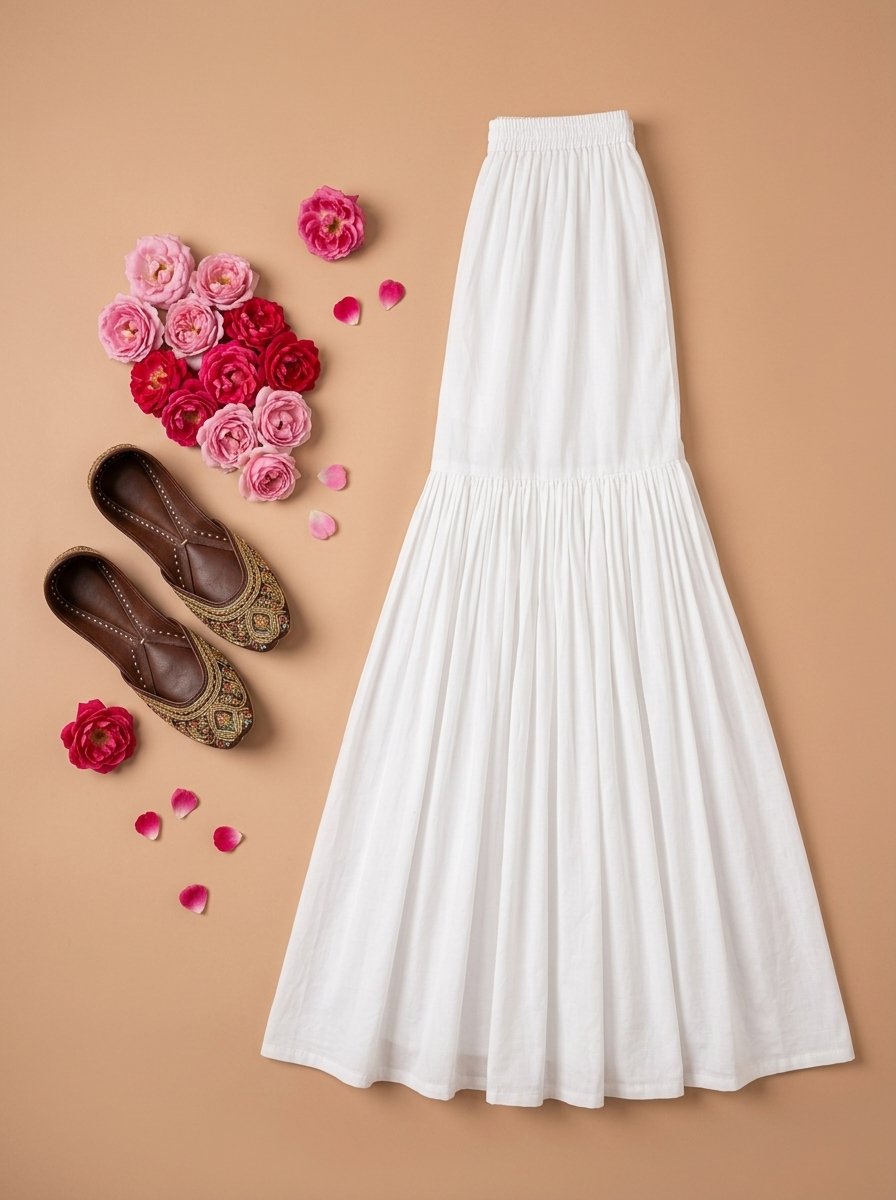
Wide, pleated and floor-length. A soft, modest pick for Eid morning.

White Sharara Pants

A flare from the waist with no knee seam. Easy for chand raat and gatherings. See more in Sharara Outfit Ideas for Mehndi and Dawat.

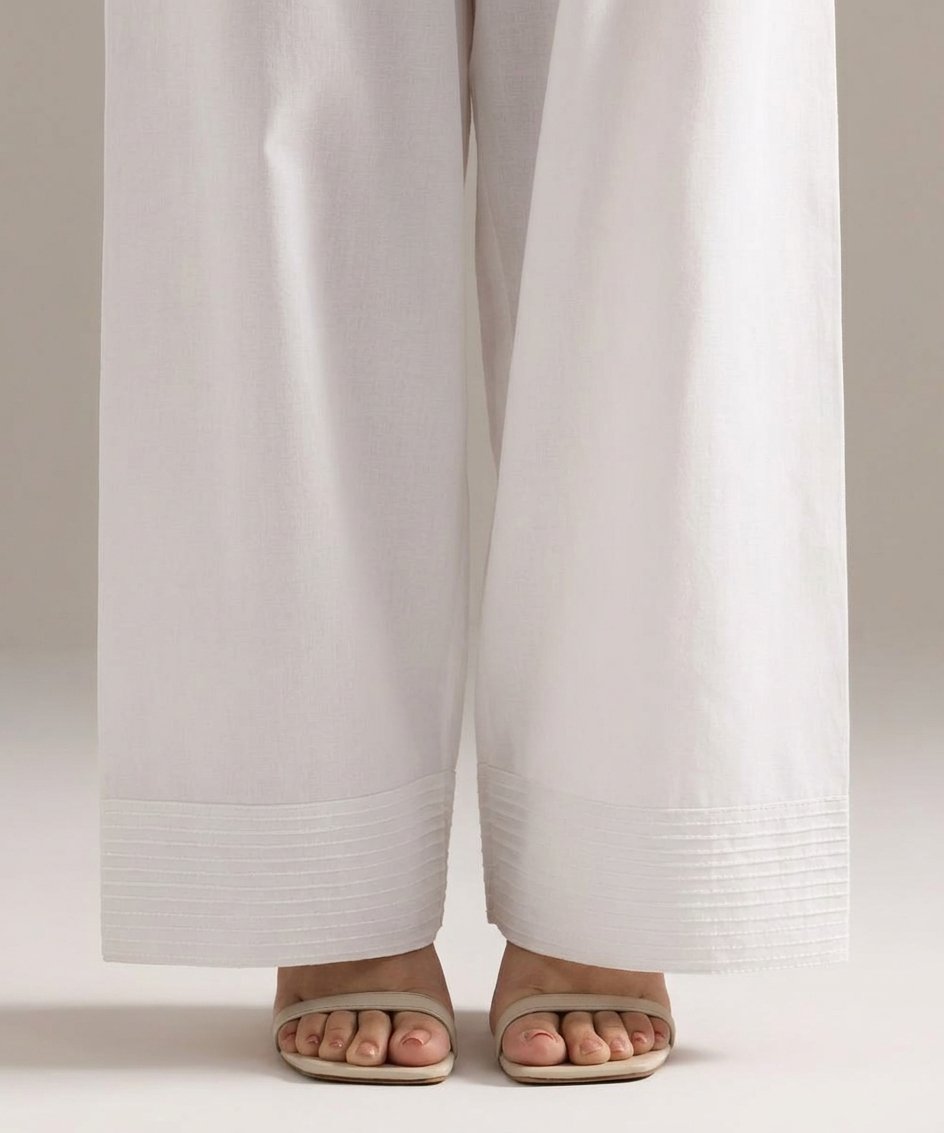
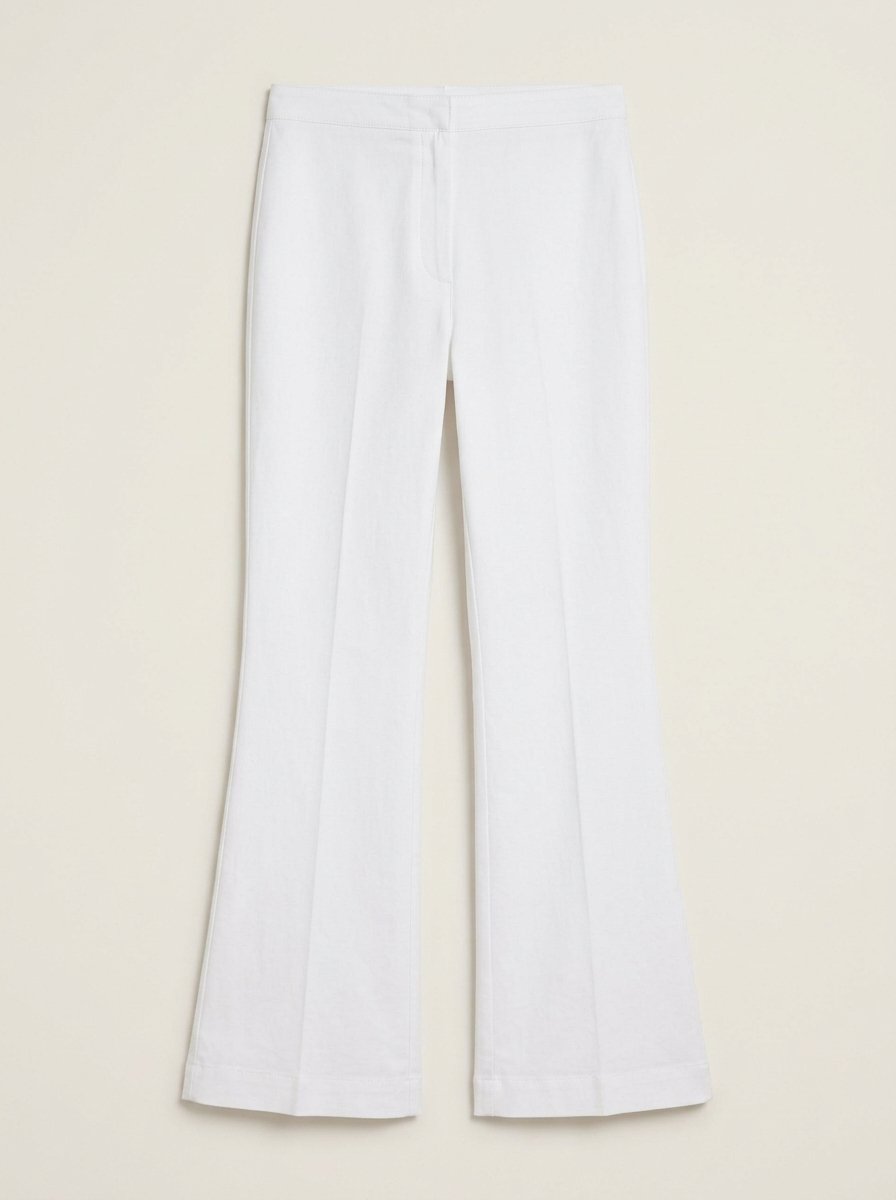
White Culottes Pants

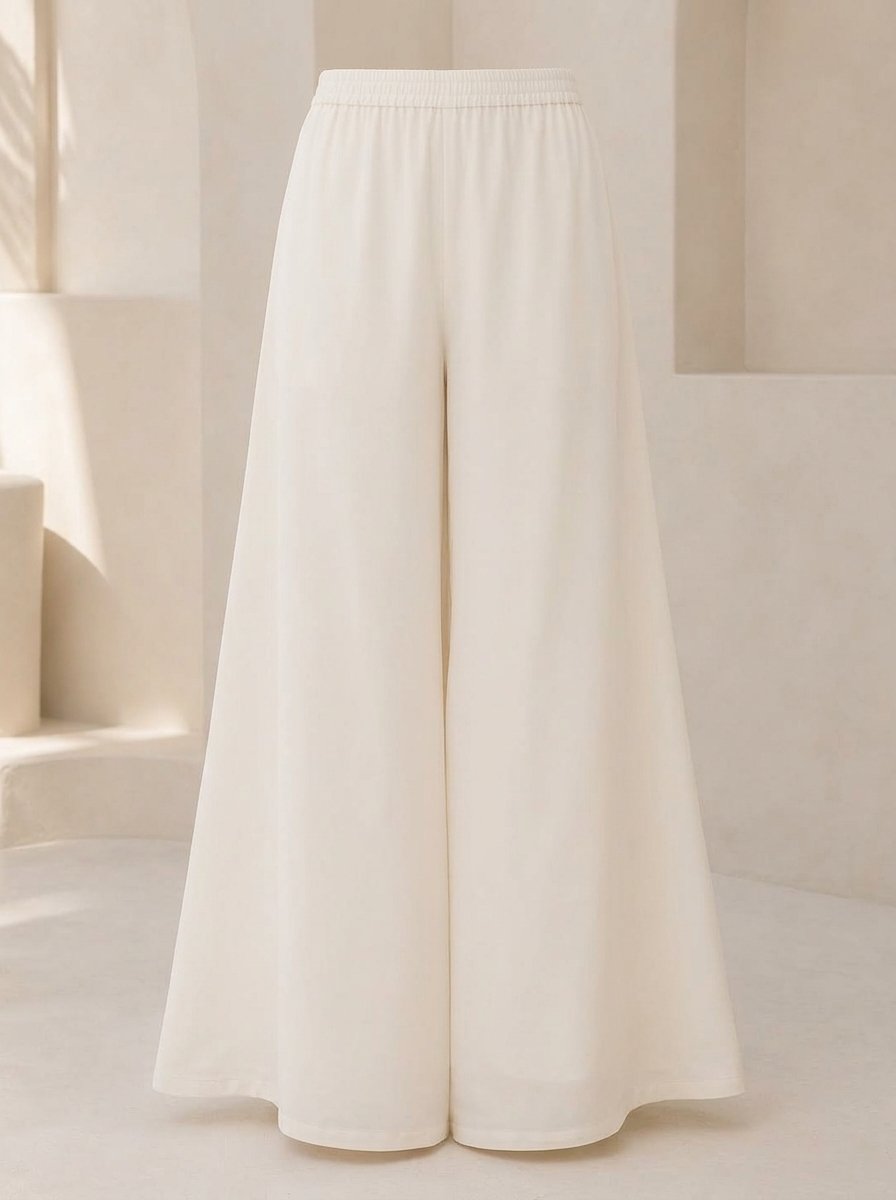
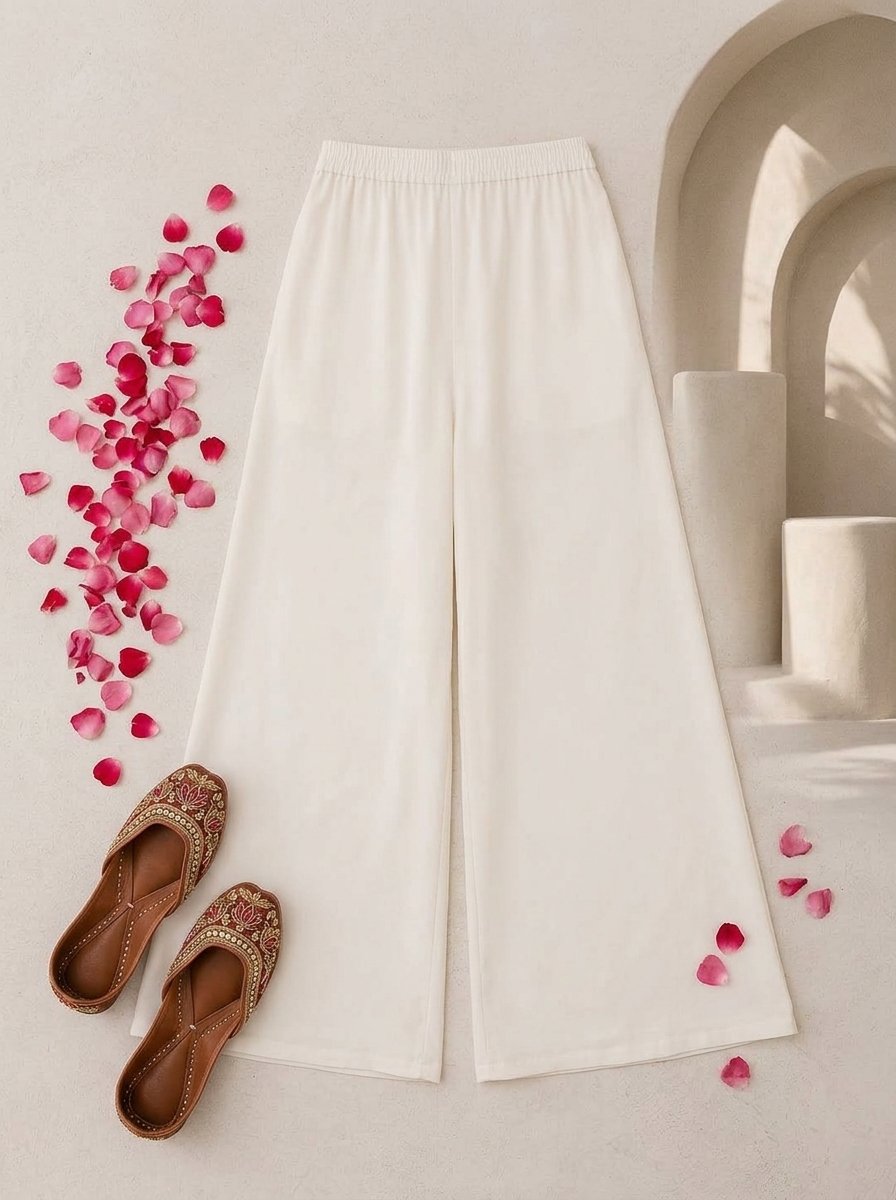
Wide, straight and cropped. A light pick for an evening dawat.

White Gharara Pants

Fitted to the knee, then a wide gathered flare. A festive pick for first-day visits.
Shop Eastern Bottoms

FAQ: Eid 2027 Outfit Ideas

When is Eid 2027 in Pakistan?

Eid ul-Fitr 2027 is expected around 9 or 10 March, and Ramadan is expected to begin around 8 or 9 February. The exact dates depend on moon sighting.

What colours suit Eid day and Eid evening?

Pastels such as lavender, mint and powder blue suit daytime. Jewel tones such as emerald and deep plum suit the evening. Choose one hero colour and let the rest support it.

What should I wear to an Eid dawat?

Many guides suggest understated colours and a lighter, more comfortable outfit for an evening dawat. A simple kameez shalwar suits a family dawat, and the dupatta is optional.

Can I wear one outfit all day on Eid?

Yes, if it is comfortable. To change the mood, keep the same bottom and swap the dupatta or the jewellery for the evening.

Can I dye a white bottom to match my Eid kurta?

Yes, if the fabric and thread are dyeable, as ours are. Take your kurta and the white bottom to a dyer, ask for a swatch test and compare in daylight. Dyeing usually costs around Rs. 300, and results depend on the dyer.

How early should I dye my Eid outfit?

Book your dyer before Ramadan starts, around early February 2027. Busy weeks may change the price and the pickup date, so ask your dyer for their own schedule.

Planning Your Eid Looks?

Send us your Eid dates and kurta colours on WhatsApp: 03394011360, and we will help you match each moment to a bottom. You can also browse the shop or read our story.
Woman choosing between two dupattas for Eid 2027 outfit ideas with a dyed sharara

Pakistani Wedding Outfit Ideas 2026: 6 Formulas That Work

Most Pakistani wedding outfit ideas start with the kurta. We start with the bottom.

A dupatta changes in a minute, and a kurta can be re-pinned or tailored. But a bottom that clashes with everything is a problem you find out the night before. So choose the bottom first, give it one clear job, and build the rest around it. Below you will find six outfit formulas for mehndi, nikkah, baraat, walima and dawat, plus a plan for surviving a week of functions without buying a new outfit for each.

What Is Actually Trending This Wedding Season?

Three ideas keep showing up in Pakistani brand guides this year.

  • Colour changes by function. RJS Pret’s 2026 trend guide lists yellow, orange and green for mehndi, and ivory, champagne, blush and sage for nikkah. It lists deep reds and wines for baraat. The guide also notes a move toward one colour story across all the events.
  • Gharara and sharara are back for mehndi. Rangreza’s 2026 trend list gives them their own entry and says the gharara is making a full comeback.
  • Outfits you can wear again. Rangreza also reports more versatile pieces, such as separates you can mix and match and interchangeable dupattas.

These are brand guides, so treat them as direction, not law.

What Is the One-Loud-Piece Rule?

Every outfit gets one loud piece. The other two stay calm.

If the kurta is loud, keep the bottom plain and the dupatta soft. If the bottom is loud, keep the kurta tonal. If the dupatta carries the colour, keep the kurta and the bottom quiet. Two loud pieces compete, and three look like a costume. This rule is why one white bottom can become a hero or a backdrop, depending on whether you dye it.

Six Pakistani Wedding Outfit Ideas, Built as Formulas

“Dyed” below means a white bottom taken to a dyer. Choose the formula for your function, then swap in your own colours.

FunctionBottomKurtaDupattaFootwear
Mehndi, loud bottomSharara dyed bold greenIvory short kurta, tonalYellow organzaEmbellished juttis
Mehndi, loud kurtaPlain white shararaOrange short kurtaGreen dupattaComfortable juttis
Nikkah, quiet and tonalFarshi dyed soft sageIvory kurta with tonal embroideryChampagneGold flats or juttis
Baraat, rich and formalGharara dyed emeraldShort ivory or gold kurtaHeavy, embroidered goldHeels or embellished juttis
Walima, soft eveningFarshi dyed champagne or powder bluePastel kurtaSilver organzaMetallic, comfortable shoes
Dholki or dawat, easyCulottes dyed a soft shadeShort kurtaLight dupattaJuttis or flats

A few notes on the table.

  • For a mehndi, you can choose the loud piece. Rangreza lists yellow and green mehndi outfits as a 2026 highlight.
  • For a baraat, RJS Pret’s guest guide warns against all-black outfits and against neutrals and beiges that read as uninspired. It marks emerald as a beautiful choice for nikkah and baraat.
  • Our sharara looks go deeper on mehndi and dawat.

How Do You Cover Three or Four Functions Without Three or Four New Outfits?

Scarfs n Scarf notes that wedding season in Pakistan can mean three or four functions in a week. A new outfit for each one gets expensive fast. So plan this way: three bases, two pairs of shoes, one accent colour.

  • Three bases. Dye one bottom bright for the mehndi, one soft for the nikkah or walima, and one rich for the baraat.
  • Two pairs of shoes. House of Hania suggests reusing neutral accessories and comfortable metallic shoes across events.
  • One accent colour. Repeat it in your dupattas, so the whole week reads as one story. Swapping the dupatta also changes the mood of a bottom, as Rangreza’s interchangeable-dupatta trend shows.

Here is the cost at the prices listed on our site today. Check each product page for the current price.

That is around Rs. 7,400 for three bottoms, before kurtas and dupattas. Dyer rates vary, and wide pieces may be priced differently. If you also wear one to a dawat, the cost per wear drops.

Can a Guest Wear White or Ivory?

Sometimes, with care. RJS Pret’s guest guide marks ivory, cream and white as gaining acceptance for guests at nikkah and walima, but only “with care”. We would not wear head-to-toe bridal white at any function.

If you choose ivory or champagne, add a strong dupatta colour, so the outfit looks styled rather than bridal. If you are unsure, ask someone in the family. A quiet question beats an awkward photo.

What Does a Dye Day Look Like When You Work Backwards?

Start from the event date, and count back.

  1. Fix the function and choose your loud piece.
  2. Take your kurta, dupatta and the white bottom to the dyer.
  3. Ask for a swatch test and a pickup date, and leave a buffer, because wedding weeks are busy.
  4. Check the dry swatch in daylight and in warm indoor light.
  5. Try the full outfit once with your shoes and dupatta.
  6. Wash a deep-dyed bottom separately for the first few washes.

Results depend on the dyer, so we never promise an exact shade. Our guides cover the details: How to Dye a White Shalwar to Match Your Shirt, How Much Does It Cost to Dye a Shalwar in Pakistan? and Why Your Shalwar Never Matches Your Kameez (and the Fix).

Which Mistakes Spoil a Wedding Outfit?

  • Shopping the kurta first. The bottom then has to fight for a role.
  • Two loud pieces. One should lead.
  • Dyeing in the last week. A rushed dyer and a skipped swatch test cause most regrets.
  • Shoes you cannot dance in. Test them at home.
  • Copying the bride. Guests should avoid bridal looks, which is why white needs care.

Build Your Wedding Wardrobe From These Bases

Every piece below arrives in plain white and is dyeable.

White Sharara Pants

Best for mehndi and dawat. One flare from the waist, with no knee seam, so it moves easily.

White Farshi Shalwar

Best for nikkah and walima. Wide, pleated and floor-length.

White Gharara Pants

Best for baraat. Fitted to the knee, then a wide gathered flare.

White Culottes Pants

Best for dholki and daytime. Wide, straight and cropped.

Shop Eastern Bottoms or Shop Western Bottoms

FAQ: Pakistani Wedding Outfit Ideas

What are the trending wedding outfits in Pakistan in 2026?

Pakistani brand guides point to ghararas and shararas for mehndi, soft pastels for nikkah and walima, and deep reds for baraat. Wear-again outfits with interchangeable dupattas are also rising. Colour changes by function, so the bottom is a good place to start.

What should I wear to a mehndi?

Choose bright colours such as yellow, orange or green, a comfortable silhouette like a sharara or gharara, and shoes you can dance in. Keep one piece loud and the others calm.

Can a guest wear white or ivory to a Pakistani wedding?

RJS Pret’s guest guide says ivory, cream and white are gaining acceptance at nikkah and walima, but to wear them with care. Choose ivory or champagne, add a strong dupatta colour and avoid a bridal look. When unsure, ask the family.

Do I need a new outfit for every wedding function?

Not necessarily, although many guests choose different outfits for at least the mehndi and baraat, because the formality and colours differ. Reuse shoes and accessories, and change the dupatta or kurta to shift the mood.

Can I dye a white shalwar to match my wedding kurta?

Yes, if the fabric and thread are dyeable, as ours are. Take your kurta and the white shalwar to a dyer, ask for a swatch test and compare in daylight. Results depend on the dyer.

How much does it cost to dye a bottom for a wedding?

Dyeing usually costs around Rs. 300, but rates vary by dyer and by style. Busy wedding weeks may change the price and the pickup date, so ask for both early.

Planning a Week of Functions?

Tell us the dates and your kurta colours on WhatsApp: 03394011360, and we will help you decide which bottom does which job. You can also browse the shop or read our story first.

Woman measuring waist-to-floor length to choose bottoms for her height

Which Bottoms Suit Your Height? A Guide for Short, Medium and Tall

Bottoms for your height come down to length and the line they draw. If you are shorter, choose a full-length sharara or farshi that skims your shoes. At medium height, almost any bottom works. If you are taller, culottes and flared styles show off your legs. Always check the length first.

Wear what you love, because no height has a wrong bottom. Still, height changes how length and flare behave, and a few simple choices make most outfits look better. This guide gives you a measuring method, a pick for each height band and a quick table. The bands are our rough guide, so adjust them to how you like to dress.

Your shirt. Your shade.

Styling guides agree on one idea: length and waistline matter more than height itself. MasterClass notes that wide-leg pants can elongate the legs, and it advises petite women to choose full-length, high-waisted pairs. So the right question is not “am I too short?” It is “does this hem land where I want it?”

How Do You Measure Before Choosing Bottoms for Your Height?

Measure first, and most length problems disappear. We call this the shoes-first measurement, because the same shalwar looks different with juttis and with heels.

  1. Put on the shoes you will wear to the event.
  2. Ask a friend to measure from your natural waist to the floor.
  3. For a gharara, also measure from your waist to your knee, so the joint sits at your knee.
  4. Compare your numbers with the length on the product page, or message us and ask.

A farshi should skim the floor or pool lightly. A pair of culottes should end where you want the crop to land.

Which Bottoms Suit a Shorter Height?

Shorter here means under about 5’3″ (160 cm). One idea runs through most guides: a long, unbroken line makes your legs look longer. MasterClass suggests adding height with heels, and Petite Dressing’s wide-leg guide adds that you should tuck your top in, because an untucked top can make your legs look shorter.

Sharara

A sharara flows in one line from the waist, with no knee seam, so it gives that unbroken line. Choose a full-length one that skims your shoes. Try our White Sharara Pants.

Farshi

A farshi gives the longest line of all. However, it can swallow your shoes if it runs too long. So measure first, and choose footwear with a little lift. Our White Farshi Shalwar is floor-length and pleated.

Bell bottom

Fitted through the hips and thighs, then flared from the knee, a bell bottom follows your leg line. Wear a small heel and a short, tucked kurta. See our White Bell Bottom Pants.

Culottes and gharara

These two add a visual break. Culottes crop the leg, and a gharara has a knee joint. They can work, but keep the kurta short and fitted, and check where the crop or the joint falls.

Which Bottoms Suit a Medium Height?

Medium means about 5’3″ to 5’7″ (160 to 170 cm). You can wear almost any bottom, so choose by event. Pick a farshi or gharara for formal evenings, a sharara for a mehndi, and culottes for daytime.

Read Sharara Outfit Ideas for Mehndi and Dawat for full looks.

Which Bottoms Suit a Taller Height?

Taller means about 5’8″ (173 cm) and above. Your main risk is length, because regular sizes can end too short. Who What Wear’s tall staffers say wide-leg styles can look boxy when they are too short, and a straight leg can end up cropped. So check the length before you buy.

Culottes

Culottes are cropped by design, so the crop looks intentional. PureWow suggests leaning into the crop if you are tall, and showing off your ankles and shoes. Try our White Culottes Pants.

Bell bottom and flared styles

A flared hem balances a long leg. Check that the hem grazes your shoes.

Farshi

A farshi suits taller frames too, but only at full length. Measure from waist to floor, and ask us for the product length.

Gharara

Make sure the knee joint sits at your knee, not above it. Our White Gharara Pants fit to the knee, then flare.

Bottoms for Your Height at a Glance

This table is our styling suggestion, not a rule.

BottomShorterMediumTaller
ShararaGreatGreatGood, check the length
FarshiGood, hem for your shoesGreatGreat, check the length
Bell bottomGood, with a small heelGreatGreat, hem should graze shoes
CulottesPossible, keep it fitted on topGreatGreat, the crop looks intentional
GhararaPossible, check the jointGreatGood, check the joint

How Should Kurta Length Change With Your Height?

The kurta decides how balanced the whole outfit looks.

  • Shorter: wear a short, fitted kurta, and tuck it in if you can. Saira Shakira’s 2026 guide notes the trend for short-to-mid kameez with dramatic bottoms.
  • Medium: short, mid-length or long all work. Choose by the event.
  • Taller: a mid-length or long kurta balances a long leg line.

Can Dyeing Help You Look Taller?

It can help a little. A matched shade makes one unbroken colour line from kurta to bottom, which tends to look longer. That is our styling view, not a rule. A contrast shade works too if you want to mark your waist.

Take your kurta and the white bottom to a dyer, ask for a swatch test, and check the dry swatch in daylight. Dyeing usually costs around Rs. 300, but wide pieces may be priced differently, so ask first. Results depend on the dyer, so we never promise an exact shade. These guides explain each step: How to Dye a White Shalwar to Match Your Shirt, How Much Does It Cost to Dye a Shalwar in Pakistan? and Why Your Shalwar Never Matches Your Kameez (and the Fix).

What Mistakes Spoil Your Proportions?

Even the best bottoms for your height fail in a few predictable ways. Avoid these.

  • A hem that drags. It hides your shoes and shortens your line.
  • A hem that is accidentally short. Intentional crops look chosen, and accidental ones look like a mistake.
  • A low waist. Petite Dressing notes that low-waisted wide-leg pants add width instead of height.
  • A heavy, long kurta over wide legs. Too much volume hides your shape.
  • Choosing the bottom before the shoes. Pick the footwear first, then the hem.

Shop the Look: Start With a White Base

Every piece below arrives in plain white and is dyeable.

White Sharara Pants

A full-length flare from the waist, with no knee seam. A great all-round pick for most heights.

White Farshi Shalwar

Wide, pleated and floor-length. Measure first, and choose your shoes before the hem.

White Bell Bottom Pants

Fitted through the hips and thighs, then flared from the knee. Pair it with a small heel.

White Culottes Pants

Wide, straight and cropped. The crop looks especially intentional on taller frames.

White Gharara Pants

Fitted to the knee, then a wide gathered flare. Check where the joint sits.

Shop Eastern Bottoms or Shop Western Bottoms

FAQ: Bottoms for Your Height

Which bottom suits a short height?

A full-length sharara or farshi that skims your shoes suits shorter frames, because the long line lengthens your legs. Choose a high waist if you can, and wear a short, fitted kurta on top.

Which bottom suits a tall height?

Culottes, bell bottoms and flared styles suit taller frames, because they show off your legs and ankles. Check the length first, since regular lengths can end too short on taller women.

Can short girls wear a farshi shalwar?

Yes. Choose the length for the shoes you will wear, so the hem skims or lightly pools instead of dragging. Footwear with a little lift also helps.

How long should a farshi shalwar be for my height?

Measure from your natural waist to the floor while wearing your event shoes. A farshi should skim the floor or pool lightly, so compare that measurement with the product length.

Do culottes make you look shorter?

Cropped lengths can cut the leg line. Keep culottes high-waisted, tuck in a fitted top and choose slim footwear. On taller frames, the crop usually looks intentional.

Can I dye a white pair to match my kurta for a longer line?

Yes. Matching the bottom to the kurta creates one continuous colour line, which tends to look longer. Dyeing usually costs around Rs. 300, and results depend on the dyer.

Ready to Find Your Fit?

Browse Shalwar & Co’s white bottoms and measure before you choose. Prefer to ask first? Message us on WhatsApp: 03394011360 or visit our contact page. Curious how it started? Read our story.

Your shirt. Your shade.

Woman twirling in a white farshi shalwar among trending wedding bottoms for 2026

What Are the Trending Bottoms for Wedding Season 2026?

Trending wedding bottoms in 2026 are the farshi shalwar, gharara, sharara and cropped culottes. Pakistani designers and stylists point to flowing, heritage shapes paired with simpler tops. Choose by event: farshi and gharara for formal evenings, sharara for mehndi, culottes for daytime. Each one comes in dyeable white at Shalwar & Co.

Every wedding season brings the same question: what goes on the bottom half? This guide covers the four bottoms Pakistani designers and fashion writers keep mentioning in 2026. It also shows how to dye a white pair to match your kurta. We add a simple test too, because a trend is only worth buying if you will wear it again.

Your shirt. Your shade.

The word farshi comes from the Persian “farsh”, meaning floor, according to Arab News’ report on the farshi’s comeback. That one detail explains the whole silhouette: wide, loose and floor-length. It is also why a farshi feels dramatic even in plain white.

What Are the Trending Wedding Bottoms for 2026?

Four shapes come up again and again. Two sit at the heart of the trend, and two work as partners.

1. Farshi shalwar: the floor-length classic

The farshi is wide, loose and floor-length. Aza Fashions reports that it has returned at weddings and mehndi functions, and calls it more of a canvas than a single style. Aza also suggests a full-length anarkali kurta over a farshi for a graceful sweep. It adds that the farshi quietly thrived in Pakistan while it faded elsewhere, so you are wearing a local classic.

Our White Farshi Shalwar gives you that shape, ready for your colour.

2. Gharara: structured and flattering

Saira Shakira’s 2026 guide says the gharara and sharara revival continues, with sharper tailoring. It also notes cleaner short-to-mid kameez lengths paired with dramatic bottoms. A gharara fits to the knee and flares below it, so it suits formal evenings.

Try our White Gharara Pants for a baraat or walima.

3. Sharara: easy movement

Waqas Shah’s trend guide says the gharara and sharara have come back strongly for mehndi and nikkah. It adds that both are easier to move in than a full lehenga. A sharara flares from the waist with no knee seam, so it moves freely on a dance floor.

Shop our White Sharara Pants, and read Sharara Outfit Ideas for Mehndi and Dawat for full looks.

4. Culottes: the easy daytime partner

Culottes are not the headline of 2026 wedding guides, but they earn a place at daytime events. They are cropped, light and comfortable, so they suit a dawat lunch or a small gathering. Pair them with a short or mid-length kurta, in line with the trend for shorter tops over dramatic bottoms.

Our White Culottes Pants are wide, straight and cropped.

Which Trending Wedding Bottoms Suit Which Event?

This table is our styling guide, not a rule. Aza calls the farshi a go-to for daytime weddings and mehndi functions, and Waqas Shah lists the gharara and sharara for mehndi and nikkah.

EventBest bottomsWhy
MehndiSharara or farshiBoth move easily and look festive
NikkahFarshi or gharara, in soft coloursGraceful and formal without heavy volume
BaraatGharara or farshiRich, formal silhouettes
WalimaFarshi or ghararaRefined evening shapes
Dawat or daytimeCulottes or shararaLighter and easier to wear

How Do You Style Trending Wedding Bottoms?

Dramatic bottoms work best with calmer tops. Follow these four rules.

  • Keep the kurta short or mid-length. That balances the volume below, as Saira Shakira’s trend notes suggest.
  • Put the embellishment on the kurta or dupatta. Waqas Shah notes that embroidery now concentrates on the neckline, waist and dupatta border, instead of covering everything.
  • Pick one hero colour. Dye the bottom to match it or to contrast it. Our guide Winter Wedding Bottoms 2026: Best Colours to Dye a White Shalwar lists shades for every event.
  • Mind the hem. A farshi pools around your feet, so choose footwear you can walk in.

Is It a Trend or a Classic?

Fashion moves fast, but these shapes are not new. The farshi, gharara and sharara are heritage silhouettes. So we treat them as classics with a trend moment, and we suggest this test before you buy.

  • Will you wear it beyond one event? A good bottom works at two or three.
  • Does it suit the kurtas you already own? Check the lengths and the colours.
  • Can you dance, walk and sit in it? Comfort decides how long you stay at the party.

Three yes answers mean it is worth buying.

How Do You Dye a White Pair to Match Your Kurta?

Take your kurta and the white bottom to a dyer. Ask for a swatch test, let it dry, and check it in daylight. Dyeing usually costs around Rs. 300, but wide pieces such as a gharara or sharara may be priced differently, so ask first.

Results depend on the dyer, so we never promise an exact shade. These guides explain each step: How to Dye a White Shalwar to Match Your Shirt, How Much Does It Cost to Dye a Shalwar in Pakistan? and Why Your Shalwar Never Matches Your Kameez (and the Fix).

Shop the Look: Start With a White Base for Wedding Season

Every piece below arrives in plain white and is dyeable.

White Farshi Shalwar

Wide, pleated and floor-length. The classic of the season.

White Gharara Pants

Fitted to the knee, then a wide gathered flare. A formal option for evening events.

White Sharara Pants

A full-length flare from the waist, with no knee seam. Easy to dance in.

White Culottes Pants

Wide, straight and cropped. A light pick for daytime events.

Shop Eastern Bottoms or Shop Western Bottoms

FAQ: Trending Wedding Bottoms

What are the trending bottoms for wedding season 2026?

Farshi shalwars, ghararas and shararas lead for weddings, according to Pakistani designer guides, and culottes work as an easier daytime option. Most are worn with simpler, shorter kurtas so the bottoms stand out.

Is the farshi shalwar still trending?

Yes. Aza Fashions reports the farshi returning at weddings and mehndi functions, and Arab News has traced its comeback in Pakistan. The word farshi comes from the Persian for floor, which describes its floor-length shape.

Are gharara and sharara trending in 2026?

Yes. Designers such as Waqas Shah and Saira Shakira say the gharara and sharara revival continues, with cleaner tailoring and short-to-mid kurta lengths.

Which bottoms suit a mehndi?

A sharara or a farshi suits a mehndi, because both move easily and look festive. Pair them with bright colours and comfortable footwear.

Which bottoms suit a nikkah or walima?

A farshi or a gharara in soft colours, such as ivory, champagne or pastels, suits a nikkah or walima. Keep the embellishment on the kurta or dupatta.

Can I dye a white pair to match my wedding kurta?

Yes, if the fabric and thread are dyeable, as ours are. Take your kurta and the white pair to a dyer, ask for a swatch test and compare in daylight. Dyeing usually costs around Rs. 300, and results depend on the dyer.

Ready for Wedding Season?

Browse Shalwar & Co’s white bottoms and start with a plain white base. Prefer to ask first? Message us on WhatsApp: 03394011360 or visit our contact page. Curious how it started? Read our story.

Your shirt. Your shade.

Woman holding an emerald dupatta against a white farshi to plan winter wedding shalwar colours

Winter Wedding Shalwar Colours 2026

Winter wedding shalwar colours split by time of day: deep jewel tones for evening events and soft pastels for daytime. Emerald, maroon and navy lead in 2026. Dye a white farshi, gharara or sharara to your kurta, and check the swatch under warm light.

Winter wedding season is close, and a plain white shalwar can become the exact colour your outfit needs. This guide shows which shades are trending, which suit each event, and how to dye one without a last-minute scramble.

Your shirt. Your shade.

For weddings, PAGE Magazine’s 2026 festive guide names farshi and dhoti shalwars, ghararas and rich jewel tones among the strongest picks. That is good news for a white base. You choose the jewel tone, and the silhouette is already right.

Which Winter Wedding Shalwar Colours Are Trending in 2026?

Three ideas keep showing up in this season’s guides.

Jewel tones for evening

Emerald, maroon, navy and deep purple lead winter palettes, according to Roznew’s winter and wedding guide. PAGE adds that jewel tones stay the safe choice for evening dawats and winter get-togethers. Roznew also advises deeper tones for the evening and softer tones for the day.

Soft pastels for daytime

Dusty pink, ice blue and soft lilac suit daytime events, as Roznew notes. PAGE agrees that pastels lead daytime festive dressing. That makes them a good fit for a nikkah or a daytime lunch.

One colour family

PAGE also highlights same-colour styling. Keep fabric, embroidery and accessories in one colour family, such as ivory with champagne or deep emerald with matching embroidery. A dyed shalwar makes that easy, because you match it to the kurta.

There is one more reason to plan carefully. Deep, saturated shades read as rich under the warm indoor lighting of winter venues, according to Libayah’s wedding guest guide. So always check your swatch in warm light too.

Which Winter Wedding Shalwar Suits Each Event?

Each function has its own mood. Use this table to match the shade and the silhouette.

EventMoodShalwar shadesSilhouette
MehndiBright and joyfulTeal, or leave it white under a marigold kurtaSharara
NikkahSoft and understatedDusty rose, ice blue, ivoryFarshi or sharara
BaraatRich and formalEmerald, plum, navy, deep maroonFarshi or gharara
WalimaRefined eveningIvory, champagne, deep jewel tonesFarshi or gharara

RJS Pret’s guest guide lists yellow, orange and teal as mehndi picks. It suggests pastels, soft jewel tones and conservative silhouettes for a nikkah.

Winter Wedding Shalwar: 8 Looks to Dye This Season

In every look, “dye” means starting from a white shalwar. Four looks suit the evening, and four suit the day.

Look 1: Emerald on emerald (Match)

Wear an emerald kurta with a farshi dyed to the same emerald. Add an ivory velvet dupatta for contrast and warmth. Keep the embroidery on the kurta, so the shalwar stays calm.

Look 2: Plum, one shade deeper (Deepen)

Pair a plum kurta with a gharara dyed one shade deeper. A gold dupatta lifts the richness without adding more colour.

Look 3: Navy with ivory and emerald (Neutral and accent)

Wear a navy kurta with a plain white sharara. Add an emerald velvet dupatta as your one bold accent.

Look 4: Burgundy and blush (Contrast)

Dye the farshi a soft blush and wear it with a burgundy kurta. A burgundy velvet dupatta ties the two together.

Look 5: Dusty rose on rose (Match)

Wear a dusty rose kurta with a sharara dyed the same rose. A soft ivory dupatta keeps it light for a nikkah.

Look 6: Lilac with white (Neutral and accent)

Pair a soft lilac kurta with a plain white gharara. A lilac organza dupatta completes the look.

Look 7: Ivory and champagne (Same family)

PAGE lists ivory with champagne as a same-colour pairing. Wear an ivory kurta with a farshi dyed pale champagne for a walima.

Look 8: Marigold and teal (Contrast)

Wear a marigold kurta with a sharara dyed teal for a mehndi. The bright pair photographs well and keeps the mood playful.

How Do You Dye a White Shalwar a Deep Winter Shade?

Take your kurta and the white shalwar to a dyer. Ask for a swatch test, let it dry, and check it in daylight and under warm indoor light. Dyeing usually costs around Rs. 300. However, deep shades and busy wedding weeks may change the quote and the pickup date, so ask for both early.

Results depend on the dyer, so we never promise an exact shade. For deep colours, wash the piece separately for the first few washes. These guides cover every step: How to Dye a White Shalwar to Match Your Shirt, How Much Does It Cost to Dye a Shalwar in Pakistan? and Why Your Shalwar Never Matches Your Kameez (and the Fix).

What Mistakes Spoil a Winter Wedding Look?

Even great winter wedding shalwar colours fail in a few predictable ways. Avoid these.

  • Wearing bridal red as a guest. RJS Pret’s guide advises guests to avoid red at the baraat, because it belongs to the bride.
  • Too many jewel tones at once. Pick one hero colour, and let the rest support it.
  • Judging the swatch only in daylight. Check it under warm light, because evening venues use it.
  • Forgetting warmth. A shawl or wrap over your kurta and dupatta keeps you warm without hiding the shalwar.
  • Leaving the dyeing to the last week. Ask your dyer for the pickup date early.

Our Winter Wedding Checklist

Before you dye

  • Pick your event and your hero colour.
  • Choose Match, Deepen or Contrast.
  • Carry your dupatta and shoes when you meet the dyer.

At the dyer

  • Ask for a swatch test and a pickup date.
  • Check the dry swatch in daylight and in warm light.

Before the event

  • Try the full outfit once with your shawl and shoes.
  • Check that the hem falls where you want it.

Shop the Look: Start With a White Base for Wedding Season

Every piece below arrives in plain white and is dyeable.

White Farshi Shalwar

Wide, pleated and floor-length. A strong pick for a baraat or a walima.

White Gharara Pants

Fitted to the knee, then a wide gathered flare. A formal option for evening events.

White Sharara Pants

A full-length flare from the waist, with no knee seam. For more ideas, read Sharara Outfit Ideas for Mehndi and Dawat.

Shop Eastern Bottoms

FAQ: Winter Wedding Shalwar Colours

What colours are trending for winter weddings in Pakistan in 2026?

Deep jewel tones such as emerald, maroon, navy and plum lead for evening events. Soft pastels like dusty rose, ice blue and lilac lead for daytime. Same-colour styling, where the whole outfit stays in one colour family, is also popular.

Which bottoms suit a winter wedding: farshi, gharara or sharara?

A farshi or a gharara suits formal evening events, and a sharara suits lighter functions such as a mehndi. PAGE Magazine lists farshi shalwars and ghararas among the strongest wedding picks this year.

Can I dye a white shalwar a deep colour like emerald or maroon?

Yes, if the fabric and thread are dyeable, as ours are. Results depend on the dyer and the dye, so ask for a swatch test and check it under warm light. Also ask whether a deep shade changes the price.

How much does it cost to dye a shalwar for a wedding?

Dyeing usually costs around Rs. 300, but rates vary by dyer and by style. Deep shades and busy wedding weeks may change the quote, so ask for the price and the pickup date first.

What should I avoid wearing as a wedding guest?

Guest guides such as RJS Pret’s advise skipping bridal red at the baraat. It also helps to avoid too many jewel tones at once, so one hero colour leads.

How do I stay warm in a winter wedding outfit?

Layer a shawl or wrap over your kurta and dupatta. A velvet dupatta also adds warmth without hiding your shalwar.

Ready to Plan Your Wedding Look?

Browse Shalwar & Co’s white bottoms and start with a plain white base. Prefer to ask first? Message us on WhatsApp: 03394011360 or visit our contact page. Curious how it started? Read our story.

Your shirt. Your shade.

Woman spinning in a white sharara with a bright dupatta, showing sharara outfit ideas for mehndi

White Sharara Pants: Outfit Ideas for Mehndi and Dawat

Sharara outfit ideas work best when one bold piece leads and the rest stay simple. For a mehndi, pair a short kurta with a contrast dupatta and comfortable juttis. For a dawat, choose a calmer colour and a lighter dupatta. Dye a white sharara to match your kurta, or leave it white.

Sharara pants move, flow and keep up with a long night of dancing. That is why they suit a mehndi and a dawat so well. This guide gives you eight sharara outfit ideas, a quick dance test and a checklist you can use before you dye.

Your shirt. Your shade.

A sharara outfit is a short or long kurta, flared bottoms and a dupatta, according to HSY’s wedding styling guide. The same guide calls the mehndi a joyful event of music and dance, so it advises bold colour and playful accents. We agree, with one rule: pick one star and keep the rest quiet.

How Do You Plan Sharara Outfit Ideas That Work?

Make three decisions in this order.

1. Pick the kurta length

A fitted short kurta suits a sharara well, and mid-length kurtas work too. HSY advises a fitted kurta and not too much flare below, so the outfit does not overwhelm your frame. That matters because a sharara already carries plenty of volume.

2. Decide the dupatta’s job

A contrast dupatta makes the outfit pop. HSY suggests a ruffled or organza dupatta for a playful look at a mehndi. You can also drape it over one shoulder, cinch it at the waist or wear it like a cape, as Libas’ styling guide shows.

3. Choose footwear you can dance in

Juttis, mojaris, block heels and wedges work best, because they stay comfortable and suit the flare. HSY recommends embellished juttis or block heels for dancing.

Our rule is simple: pick one star, whether the kurta, the dupatta or the colour. Then keep the other two quiet.

What Are the Best Sharara Outfit Ideas for a Mehndi?

A mehndi calls for bright colour and easy movement. Aza Fashions’ mehndi sharara guide suggests vibrant colours, lighter embellishments such as mirror work or gota-patti, and comfortable footwear. In every look below, “dye” means starting from a white sharara.

Look 1: Marigold and deep green (Contrast)

Wear a marigold kurta with a sharara dyed deep green. Add an ivory dupatta and embellished juttis. The green grounds the bright kurta.

Look 2: Fuchsia over white (Contrast)

Pair a fuchsia kurta with a plain white sharara. Add a bright green dupatta for a playful contrast. You need no dyeing here, so this is the easiest look.

Look 3: Yellow and mint (Contrast)

Wear a sunshine yellow kurta with a sharara dyed pale mint. Choose a mint organza dupatta for a light, modern feel.

Look 4: Teal on teal (Match)

Dye the sharara to match a teal kurta. Add a dupatta with mirror work or gota-patti to carry the sparkle. The matched base lets the embellishment shine.

Which Sharara Outfit Ideas Suit a Dawat?

A dawat is calmer, so keep the colours softer and the dupatta lighter.

Look 5: Sage on sage (Match)

Wear a sage kurta with a sharara dyed the same sage. Add an ivory dupatta and gold juttis. The look stays calm and polished.

Look 6: Ivory with a rose dupatta (Neutral and accent)

Pair an ivory kurta with a white sharara. Then add one dusty rose dupatta as the only colour. This is the quietest look, and it needs no dyeing.

Look 7: Powder blue with soft grey (Contrast)

Wear a powder blue kurta with a sharara dyed soft grey. A silver or pale blue dupatta keeps the palette cool and clean.

Look 8: Deep teal, one shade deeper (Deepen)

Dye the sharara one shade deeper than a teal kurta. Finish with a gold dupatta. The deeper bottom adds richness for an evening dawat.

Does Your Sharara Pass the Dance Test?

Run this test at home before you finalise any outfit. It takes two minutes.

  • Sit and stand. Does the flare stay put and feel comfortable?
  • Climb a few steps. Does the hem catch under your jutti?
  • Spin once. Does the flare open evenly?
  • Dance a few steps in your footwear. Can you keep going for an hour?

If any answer is no, change the footwear or the kurta, not the sharara.

How Do You Dye a White Sharara to Match?

Take your kurta and the white sharara to a dyer. Ask for a swatch test, let it dry, and check it in daylight. Dyeing usually costs around Rs. 300, but a wide piece such as a sharara may be priced differently, so ask first.

Results depend on the dyer, so we never promise an exact shade. These guides explain each step: How to Dye a White Shalwar to Match Your Shirt, How Much Does It Cost to Dye a Shalwar in Pakistan? and Farshi Shalwar Colour Combinations for Eid and Weddings.

What Mistakes Spoil a Sharara Outfit?

Even good sharara outfit ideas fail in a few predictable ways. Avoid these.

  • Too much volume everywhere. A wide sharara with a flared, heavy kurta overwhelms your frame.
  • Two heavy pieces. If the kurta is embellished, keep the dupatta simple.
  • Footwear you cannot dance in. Test it at home first.
  • A near-miss colour. Match closely or contrast clearly, but never in between.
  • Skipping the swatch test. A small test shows the real shade before the whole piece goes in.

Shop the Look: Start With a White Sharara

Every piece below arrives in plain white and is dyeable.

White Sharara Pants

One continuous flare from the waist, with no knee seam. It is the base for every look in this guide.

White Gharara Pants

Fitted to the knee, then a wide gathered flare. Not sure which suits you? Read Gharara vs Sharara vs Farshi: Which Should You Wear?

White Farshi Shalwar

Wide, pleated and floor-length. A grander option for formal wedding events.

Shop Eastern Bottoms

FAQ: Sharara Outfit Ideas

What are the best sharara outfit ideas for a mehndi?

Bright colours, a contrast dupatta and comfortable footwear work best, because a mehndi involves dancing. Pair a fitted short kurta with a white or dyed sharara, then add juttis or block heels.

What should I wear to a dawat with a sharara?

Choose a calmer colour, a lighter dupatta and one simple accent. A sage, ivory or powder blue look suits an evening dawat.

Which kurta length suits a sharara?

A fitted short kurta suits a sharara well, and mid-length kurtas work too. HSY advises a fitted kurta and not too much flare below, so the outfit does not overwhelm your frame.

What shoes go with a sharara?

Juttis, mojaris, block heels and wedges work well, because they stay comfortable and suit the flare. Choose the pair you can dance in.

Can I dye a white sharara to match my kurta?

Yes, because our sharara is dyeable. Take your kurta and the white sharara to a dyer, ask for a swatch test and compare it in daylight. Dyeing usually costs around Rs. 300, but a wide piece may be priced differently.

How do I style the dupatta with a sharara?

Drape it over one shoulder, cinch it at the waist or wear it like a cape. A contrast colour makes the outfit stand out.

Ready to Plan Your Look?

Browse Shalwar & Co’s white bottoms and start with a plain white sharara. Prefer to ask first? Message us on WhatsApp: 03394011360 or visit our contact page. Curious how it started? Read our story.

Your shirt. Your shade.

Dye to match shalwar using a fabric swatch and white bottom

Dye to Match Shalwar: How It Works, Step by Step

Dye to match shalwar means starting with a plain white bottom, taking it and your shirt to a dyer, and matching the colur with a physical swatch. The dyer tests a small piece first, lets it dry, and only then colors the full shalwar. It is simple, but the swatch step matters.

Instead of hunting for a ready-made bottom in the exact colour, start with our dyeable white bottoms and let a local dyer match it to your shirt.

You know the feeling. You find the perfect kurta, the perfect embroidery, even the perfect dupatta.

Then you look down.

The shalwar is close to the right colour. But not quite.

That tiny mismatch can make the whole outfit look less put together. That’s exactly why we built Shalwar & Co around one simple idea:

Your shirt. Your shade.

The concept is already used elsewhere in fashion. For example, Generation’s Dyeables Shalwar is made with dye-friendly fabric and thread and is designed to be dyed to match outfits. Generation International

Instead of hunting for a ready-made bottom in the exact colour, start with white and let a local dyer match it to your shirt.

What Does “Dye to Match Shalwar” Actually Mean?

Dye to match shalwar is a simple custom-colour process.

You start with a plain white bottom made to be dyed. You take it to a dyer with the shirt you want to match. The dyer uses your shirt as the colour reference and tests the shade before dyeing the full piece.

The important part is that you match the real fabric, not a photo on your phone.

Screens can make colours look warmer, cooler, brighter or darker. A physical shirt gives the dyer something real to compare against.

Professional textile dyeing also treats preparation and fibre properties as important parts of the process. NC State’s Zeis Textiles Extension notes that fabric preparation, fibre properties and dye choice all affect the final shade.

That’s why we don’t promise an exact shade match.

A good dyer can get very close, but the result depends on the dyer, dye and fabric. Test first. Dye second.

What Should You Take to the Dyer?

You don’t need a complicated kit.

Take these four things:

  • Your actual shirt: This is your colour reference.
  • Your plain white bottom: Keep it clean before dyeing.
  • A little patience: The swatch needs to dry before you judge it.
  • Your budget: Dyeing usually costs around Rs. 300, but the price varies by dyer and style.

If you wash the shalwar first, skip the fabric softener. Rit recommends pre-washing fabric in warm, soapy water without fabric softener because finishes can interfere with dye absorption.If you are taking a farshi shalwar, gharara or sharara, ask about the price before handing it over. A wider or more elaborate bottom may be priced differently.

Also tell the dyer when you need it. It is much better to ask at the beginning than at pickup.

How Does the Dye to Match Shalwar Process Work?

The process is easier than it sounds.

Step 1: Bring the shirt

Take the actual shirt you want to match.

Don’t rely on a screenshot, Instagram photo or camera image. The fabric is the reference.

If your kurta is sage green in daylight but looks grey under shop lights, your dyer needs to see the real thing.

Step 2: Compare the shirt with dye samples

Show the shirt to the dyer.

Point out the colour you want, but don’t stop at a name like “pink” or “blue.”

Colour names are surprisingly vague.

Instead, say things like:

  • slightly deeper
  • a little warmer
  • less bright
  • more muted
  • closer to the shirt

That gives the dyer a clearer target.

Step 3: Ask for a small swatch test

This is the step we would never skip.In professional textile dyeing, testing a small sample before committing to the full piece is a useful way to check the result. Rit also recommends testing a swatch when fibre content or dye suitability is uncertain.

Ask the dyer to test the colour on a small piece of the same white material before dyeing the entire shalwar.

In professional textile production, a small dyed sample is commonly used to approve a colour before larger-scale dyeing. The same principle makes sense for your outfit: test the shade before committing the whole piece.

Step 4: Let the swatch dry

Don’t approve the colour while it is wet.

A wet fabric sample can look different from the finished dry fabric. Give it time to dry naturally, then compare it with the shirt.

This is where many colour-matching mistakes happen.

Step 5: Check it in daylight

Hold the dry swatch beside the shirt.

Ideally, check them in natural daylight. If the swatch looks right indoors but wrong outside, keep comparing before you approve it.

You want the two pieces to look right together, not just look good separately.

Step 6: Approve the shade

Now make the call.

Say:

“Perfect.”

Or:

“Slightly darker.”

Or:

“A little lighter.”

Clear feedback is better than simply saying, “It doesn’t look right.”

Once you approve the swatch, the dyer can move ahead with the full shalwar.

Why Is the Swatch Test So Important?

Because dyeing the entire bottom first is the expensive way to discover a colour is wrong.

Think of the swatch as your outfit’s trial run.Textile testing organisations also recognise that colour can change or transfer under conditions such as water and rubbing.

A small piece lets you check:

  • the shade
  • the depth of colour
  • how the fabric looks once dry
  • how the colour sits beside your shirt
  • whether you want it warmer, cooler, lighter or darker

Textile testing organisations also recognise that colour can change or transfer under conditions such as water and rubbing. AATCC has specific methods for evaluating these colourfastness behaviours.Textile testing organisations also recognise that colour can change or transfer under conditions such as water and rubbing. AATCC’s textile testing standards include methods for colourfastness to water and rubbing.

For your everyday dye-to-match job, you don’t need a laboratory.

You just need one good habit:

Never skip the small test.

Our Dye-to-Match Checklist

Before you leave your shalwar with the dyer, run through this list.

Before dyeing

  • Bring the real shirt.
  • Make sure the white bottom is clean.
  • Ask the dyeing price.
  • Ask when it will be ready.
  • Ask which dyeing method is suitable for the material.

During the colour test

  • Request a small swatch.
  • Wait until it is dry.
  • Compare it beside the shirt.
  • Check the colour in daylight.
  • Ask for an adjustment if needed.

Before full dyeing

  • Approve the dry swatch.
  • Confirm the final shade.
  • If you are dyeing two pieces together, ask whether they can be dyed in the same batch.

That last point matters if you want a matching bottom and another piece in the same outfit. One approved reference is much easier to manage than guessing twice.

Can Any White Shalwar Be Dyed?

Not necessarily.

The important question is whether the fabric and construction are suitable for dyeing.

That is why our dyeable white bottoms are made specifically around the dye-to-match idea.Every Shalwar & Co bottom arrives in plain white, with dyeable fabric and dyeable stitching thread.

That means you can start with the silhouette you want and choose the colour afterwards.

The concept is already used elsewhere in fashion. For example, Generation currently sells dyeable shalwars specifically designed to be dyed to match outfits.

We take that idea and make the bottom the starting point.

You choose the shirt first.

Then you choose the shade.

What If the Colour Doesn’t Match Exactly?

This is where we take a clear position:

Don’t chase “perfect” from a screen. Chase a good physical match.

Even professional dye-to-match processes use physical colour references and sample approvals because colour depends on the material and conditions.

Your dyer may get extremely close. However, we won’t tell you that every dye job will be identical to your shirt.

That’s not a promise worth making.

Instead, use a physical swatch, compare it dry, check it beside the shirt and approve it before the full piece is dyed.

That gives you much more control.

How Much Does Shalwar Dyeing Cost?

Dyeing usually costs around Rs. 300.

However, treat that as a typical guide rather than a fixed market price. The rate varies by dyer and by style.

A simple bottom may cost differently from a wide farshi shalwar, gharara or sharara.

So ask one question before you hand it over:

“What will this cost, and when will it be ready?”

Simple. No awkward surprise at pickup.

Which Shalwar Style Works Best for Dye-to-Match?

The answer depends on your shirt and the occasion.

For a traditional dawat or festive look, our Eastern Bottoms give you styles such as farshi shalwar, gharara and sharara.The wide silhouette makes the matching shade part of the outfit rather than an afterthought.

For mehndi or Eid, a gharara or sharara gives you more movement and drama.

And if your shirt is more minimal, a clean Western bottom can make the whole outfit feel modern without losing the custom-colour idea.

The wider fashion picture also supports this mix. Pakistani fashion coverage in 2026 continues to show strong interest in traditional silhouettes alongside contemporary separates.

So no, dye-to-match isn’t only for one kind of outfit.

That’s the point.

What Should You Do After Dyeing?

Once the dyer finishes, check the colour before you leave.

Hold the bottom beside your shirt in daylight.

Then ask the dyer about the first wash and follow their care instructions. Dye performance can depend on the dye, fabric and finishing process, so avoid assuming that every dyed garment should be treated exactly the same way.

AATCC’s colourfastness methods show why water, rubbing and other conditions matter when evaluating dyed textiles.

For your first few washes, being cautious is sensible.

The goal is simple: keep the shade looking as close as possible to the colour you approved.

Shop the Look: Pick Your White Base

Every piece arrives in plain white and is dyeable.

White Farshi Shalwar

A strong choice when you want your matched colour to become the main feature of the outfit.
Style: wide, flowing farshi silhouette for traditional and festive looks.
Price 1,500.

White Gharara Pants

Ideal when your shirt needs a festive bottom that can take on its exact colour direction.
Style: fitted through the upper leg with a wide gathered flare.

Price 2,500

White Sharara Pants

A good option for a flowing, occasion-ready look where the colour can move beautifully with the silhouette.
Style: continuous flare from the waist for a dramatic finish.
Price 2,500

White Bell Bottom Pants

For a more modern outfit, start with a clean white base and match it to your kurta or shirt.
Style: fitted through the upper leg with a flared hem.
Price 1,500

FAQ: Dye to Match Shalwar

What does dye to match shalwar mean?

Dye to match shalwar means taking a plain white, dyeable shalwar to a dyer and matching its colour to your shirt. A small swatch should be tested and approved before the full piece is dyed.

How do I match a shalwar to my shirt?

Take your actual shirt and the white shalwar to a dyer. Ask for a small colour swatch, let it dry completely, and compare it with the shirt in daylight before approving the full dye job.

How much does it cost to dye a shalwar in Pakistan?

Dyeing a shalwar usually costs around Rs. 300, but the rate varies by dyer and by style. Ask for the price before leaving your garment with the dyer.

Can a white shalwar be dyed any colour?

A white shalwar can be dyed when its fabric and construction are suitable for the dyeing process. Shalwar & Co bottoms are sold in plain white with dyeable fabric and dyeable stitching thread.

Will my dyed shalwar match my shirt exactly?

A dyer can aim for a close match, but an exact shade cannot be guaranteed. The best approach is to use the real shirt as the reference and approve a dry fabric swatch before full dyeing.

Should I test the dye before dyeing the whole shalwar?

Yes. Testing a small swatch first is the safest way to check the shade before dyeing the entire shalwar. Compare the dry swatch beside your shirt in daylight before approving it.

Ready to Match Your Shade?

The easiest way to build a coordinated outfit is sometimes to stop searching for the perfect colour.

Start with the silhouette you already want.

Then match the colour to your shirt.

Browse Shalwar & Co’s white bottoms and choose the shape that fits your outfit. Prefer to ask first? Message us on WhatsApp 03394011360

Your shirt. Your shade.

Woman comparing her teal kurta to a fabric swatch to dye white shalwar to match

How to Dye a White Shalwar to Match Your Shirt

To dye white shalwar so it matches your shirt, take both to a dyer. Ask for a swatch test first, and judge the shade only when it is dry, in daylight. Dyeing usually costs around Rs. 300, and the rate varies by dyer and style. Plain white gives the cleanest result.

You found the perfect kurta, but the shalwar never matches. That’s why we sell plain white bottoms. This guide shows how to dye white shalwar at a real dyer. You will know what to bring, what to ask and when to say yes.

What Should You Bring Before You Dye White Shalwar?

Walk in prepared, and your dyer can work faster. Bring these four things.

Dharma Trading recommends pre-washing fabric to remove dirt, oils, finishes and even fingerprints that can cause uneven dyeing. Dharma Trading’s dyeing guide

  • Your shirt. The real fabric beats any phone photo, because screens change colour.
  • A daylight check. Step outside with your shirt before you talk shades, because shop lights can change how a colour looks.
  • Your budget and deadline. Ask for the price first, then agree on the day you need it back.

If you wash the shalwar first, skip the fabric softener. Rit, a well-known dye maker, recommends washing without it.

How Do You Dye White Shalwar at a Dyer?

The process is simple, but the order matters. Follow these six steps.

  1. Show your shirt in daylight. Hold it next to the dyer’s sample colours and point at the shade you want.
  2. Ask which dye the dyer will use for your fabric.Rit notes that fibre content and fabric weight affect how colour appears, and recommends testing a swatch when you’re unsure about the result. Rit’s fabric dyeing instructions
  3. Ask for a swatch test. The dyer colours a small piece first, using the checklist below.
  4. Wait until the swatch is fully dry. Then compare it with your shirt.
  5. Approve or adjust. Say lighter, darker or perfect, and be specific.
  6. Let the dyer treat the whole piece. Then ask about care for the first washes, and wash it separately at first.

Why Does the Shade Look Different Wet and Dry?

Fabric looks darker when wet and dries lighter, according to Rit. Rit’s immersion dyeing. So a swatch that looks perfect in the bath may look pale on your shirt. Always wait until it is fully dry. Then hold it against your shirt in daylight.

The Swatch-Test Checklist We Give Every Customer

We’ll be blunt: skipping the swatch test is the costliest shortcut in this whole process. It takes little time, and it protects your whole outfit. Use this checklist.

  • Ask the dyer to dye a small white scrap first. If there is no scrap, ask whether a hidden inner edge can serve as the test, but only if the dyer agrees.
  • Let the swatch dry completely. Resist judging it while it is wet.
  • Check it in daylight, right beside your shirt.
  • Step back to arm’s length. People see your outfit from a distance, not from two inches away.
  • Say what you want in plain words, such as “a shade deeper” or “slightly lighter”. Dyers act faster on clear instructions.
  • Dye white shalwar in full only after you approve the dry swatch.
  • Want a matching dupatta too? Ask the dyer to colour both pieces in the same batch, so the shades stay coordinated.

How Much Does It Cost to Dye White Shalwar?

Shalwar dyeing usually costs around Rs. 300. However, the rate varies by dyer and by style. A wide piece such as a gharara or sharara may be priced differently from a slim one, so ask for the price before you hand it over. For example, ask, “What will this cost, and when will it be ready?” That one question avoids surprises at pickup.

What Mistakes Ruin a Shade Match?

Shalwar colour matching goes wrong in a few predictable ways. Avoid these.

  • Matching from a phone photo instead of the real shirt.
  • Judging the swatch while it is still wet.
  • Skipping the test because the dye is only Rs. 300. The real cost is the outfit.
  • Handing over a worn shalwar. Dirt and oils can leave blotchy patches.
  • Forgetting to ask how to wash it the first few times.

Shop the Look: Dye-Ready Eastern Bottoms

Every piece below arrives in plain white and is dyeable.

White Farshi Shalwar

The classic wide, floor-length shape that shows off a matched shade. Style: wide legs with soft pleats. Price 1,500

White Sharara Pants

One continuous flare, so the color moves with you at a dawat. Style: flows from the waist with no knee seam. Price 2,500

White Gharara Pants

A festive match for mehndi and Eid. Style: fitted to the knee, then a wide gathered flare. Price 2,500

FAQ: How to Dye White Shalwar to Match Your Shirt

How do you dye white shalwar to match a shirt?

Take your shirt and the white shalwar to a dyer, and ask for a swatch test first. Let the swatch dry fully, then compare it with your shirt in daylight. Approve the shade, and the dyer treats the whole piece.

How much does it cost to dye a shalwar in Pakistan?

Dyeing usually costs around Rs. 300, but the rate varies by dyer and by style. Ask for the price before you hand the shalwar over.

Will the dyed shalwar match my shirt exactly?

A good dyer can match your shirt closely. However, results depend on the dyer, the dye and the fabric, so we never promise an exact shade. A swatch test makes the result far more reliable.

Why does dyed fabric look different when it dries?

Fabric looks darker when wet and dries lighter, according to Rit’s dyeing instructions. Judge your shade only after the swatch dries completely, preferably in daylight.

Should I wash a shalwar before dyeing it?

Dye needs a clean surface, and dye makers such as Rit and Dharma Trading recommend washing first to remove dirt and finishes. Skip fabric softener. Ask your dyer whether they prefer to wash it themselves.

Does the stitching change colour too?

Shalwar & Co bottoms use dyeable stitching thread, so the seams take colour along with the fabric. Thread on garments from other brands may behave differently, which is why a swatch test matters.

Ready to Find Your Shade?

Browse the shop and pick your first white piece.